

Welcome to our definitive directory of all accredited public universities in South Africa—a single destination where ambition meets opportunity. Spanning nine provinces and encompassing 26 institutions, this resource showcases everything from the historic sandstone halls of the University of Cape Town and the research-intensive University of the Witwatersrand, to rapidly growing campuses like Sol Plaatje University (SPU) and the University of Mpumalanga (UMP). Each entry is meticulously organized by region and faculty, allowing you to explore engineering and technology programs in Gauteng, health sciences offerings in KwaZulu-Natal, humanities courses in the Western Cape, and cutting-edge agricultural studies in the Free State, among many others.
Within each university profile, you’ll find essential details on admission criteria, application deadlines, tuition fee structures, and scholarships, alongside campus highlights such as on-site accommodation, student support services, and research centers. Want to compare faculties side-by-side? Use our interactive filters to narrow your search by degree type, campus size, or language of instruction. Whether you’re an aspiring undergraduate, a postgraduate researcher, or an international student seeking distance-learning options, our directory empowers you with the insights needed to chart your academic journey. Dive in, browse by campus or discipline, and take the first step toward realizing your higher-education goals in South Africa.
Eastern Cape Universities

Walter Sisulu University
Walter Sisulu University is a developmental university formed in 2005 by merging Border, Eastern Cape and Transkei Technikons. It serves 31 500 students across four campuses (Mthatha, East London, Butterworth, Queenstown) and offers programmes through faculties of Science, Engineering & Technology; Business Sciences; Health Sciences; Educational Sciences; and Humanities, with a focus on rural and community development.

Nelson Mandela University
Nelson Mandela University is a comprehensive institution located in Gqeberha and George, with eight campuses and around 28 000 students. Established from a series of mergers culminating in 2005, NMU comprises faculties of Arts & Social Sciences; Business & Economic Sciences; Education; Engineering, the Built Environment & ICT; Health Sciences; Law; Science; and its own Business School, emphasizing experiential learning and community engagement .

University of Fort Hare
The University of Fort Hare is a historically significant public university in Alice, founded in 1916 as one of the few institutions for black Africans during segregation. It enrolls over 10 000 students across campuses in Alice, Bhisho, and East London, offering degrees through faculties of Education; Science & Agriculture; Social Sciences; Commerce & Management; and Law, and is celebrated for its alumni who led post-apartheid Africa .
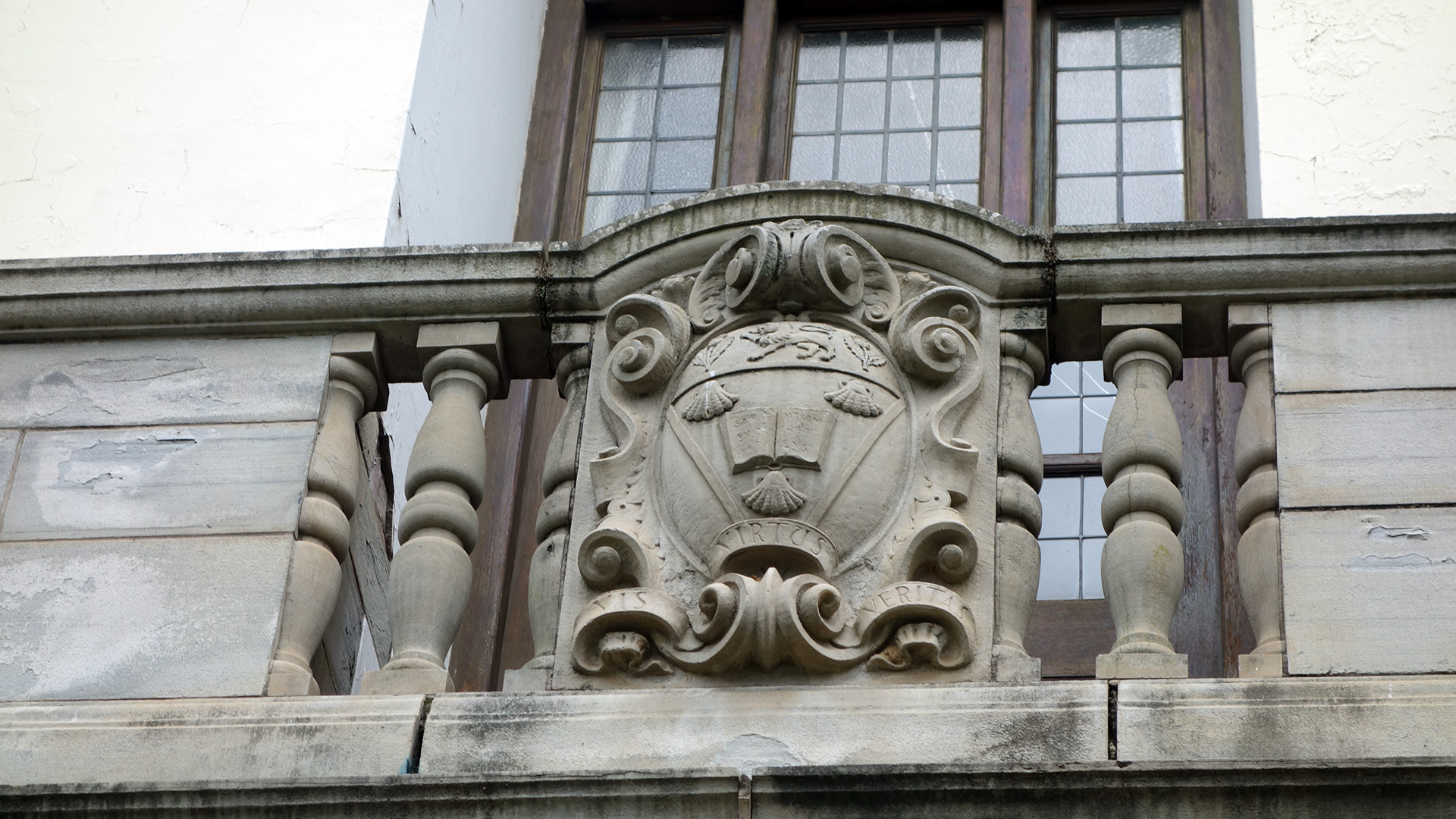
Rhodes University
Rhodes University is a small, prestigious public research university in Makhanda (formerly Grahamstown), established in 1904, with tradition of excellence, innovation, and community engagement, fostering a vibrant campus culture. With about 6 000 students, it is organized into six faculties: Commerce; Education; Humanities; Law; Pharmacy; and Science, and is renowned for research in African studies, journalism, and environmental science.
Free State Universities

University of the Free State
The University of the Free State in Bloemfontein dates back to 1904 and enrolls around 26 000 students and fosters international partnerships, community outreach, and student leadership development. It comprises faculties of Economic & Management Sciences; Education; Health Sciences; Humanities; Law; Natural & Agricultural Sciences; and Theology, and is known for its research in health sciences, veterinary science, and education.

Central University of Technology
CUT is a public university of technology with campuses in Bloemfontein and Welkom, serving about 22 000 students. It offers vocational and academic programmes through faculties of Engineering & Information Technology; Management Sciences; Health & Environmental Sciences; and Humanities, with strong industry linkages and co-operative education, expansive state-of-the-art facilities, cutting-edge research centres, and global collaboration initiatives.
Gauteng Universities

University of South Africa
UNISA is the world’s largest dedicated distance-education university, headquartered in Pretoria but serving students nationwide and internationally. With over 400 000 students, it comprises nine colleges, including the College of Science, Engineering & Technology, offering qualifications from certificates to doctoral degrees entirely via open and distance learning, ensuring inclusive, flexible, supportive education and real-world skills development opportunities.

Tshwane University of Technology
TUT is South Africa’s largest residential university, formed in 2004 by merging three technikons. It educates around 60 000 students across seven faculties—Agriculture; Science; Engineering; ICT; Management Sciences; Arts & Humanities; and Business—on multiple campuses in Pretoria, Mbombela, Polokwane, Ga-Rankuwa, Soshanguve, and eMalahleni, emphasizing applied research and innovation for sustainable development and entrepreneurship.

University of Pretoria
UP, established in 1908, is a leading public research university with about 50 000 students across seven faculties: Economic & Management Sciences; Education; Engineering, Built Environment & IT; Health Sciences; Humanities; Law; Natural & Agricultural Sciences; plus Veterinary Science; and the Gordon Institute of Business Science, fostering global partnerships, pioneering research excellence, and leadership development initiatives.

University of Johannesburg
UJ is a comprehensive university formed in 2005 by merging RAU, TWR, and Vista University campuses, serving over 50 000 students on four campuses, fostering interdisciplinary research, community partnerships, global engagement, and student development. It houses nine faculties, including Science; Engineering & the Built Environment; Health Sciences; Humanities; Commerce; Law; Art, Design & Architecture; Education; and Management.

University of the Witwatersrand
Wits is a prestigious research university founded in 1922 in Johannesburg, with around 33 000 students. Its faculties include Commerce, Law & Management; Engineering & the Built Environment; Health Sciences; Humanities; and Science, supported by world-class research institutes in mining, palaeontology, and social justice. It excels in interdisciplinary collaboration, entrepreneurship, and sustainable development initiatives.

Vaal University of Technology
VUT is one of the largest universities of technology, located in Vanderbijlpark, enrolling 19 000 students. It comprises four faculties—Applied & Computer Science; Engineering & Technology; Humanities; and Management Sciences—offering vocational diplomas and degrees with emphasis on industry-aligned research, fostering entrepreneurial skills, community engagement, international collaborations, and facilities.

Sefako Makgatho Health Sciences University
SMU, formerly MEDUNSA campus of the University of Limpopo, became an independent health sciences university in 2015. Serving roughly 12 000 students in Ga-Rankuwa, it offers programmes through schools of Medicine; Oral Health; Health Care Sciences; and Science & Technology, with degrees from undergraduate to PhD in fields like medicine, dentistry, pharmacy, nursing, and clinical psychology, and community health outreach programmes.
KwaZulu-Natal Universities

University of KwaZulu-Natal
UKZN was formed in 2004 by merging the University of Natal and the University of Durban-Westville. It has about 38 000 students across five campuses—Durban, Pietermaritzburg, Westville, Pinetown—organized into four colleges: Humanities; Agriculture, Engineering & Science; Health Sciences; and Law & Management Studies, offering programmes from bachelor to doctoral level, fostering interdisciplinary research and innovation.

Durban University of Technology
DUT, established in 2002 by merging Technikon Natal and ML Sultan Technikon, serves around 32 000 students across seven campuses in Durban and Pietermaritzburg. It comprises six faculties—Applied Sciences; Engineering & the Built Environment; Health Sciences; Accounting & Informatics; Humanities; and Education—and is one of the few African technikons offering doctoral degrees, fostering research and industry partnerships.

University of Zululand
UniZulu is a comprehensive university established in 1960 in Empangeni, enrolling about 16 337 students (14 882 undergraduates and 1 455 postgraduates). It offers programmes through four faculties: Commerce, Administration & Law; Education; Engineering, Science & Agriculture; and Humanities & Social Sciences, with international partnerships for research and student exchange and global collaboration and innovation.

Mangosuthu University Technology
MUT is a residential university of technology founded in 1979 in Umlazi. It enrolls about 13 000 students and comprises three faculties—Engineering; Management Sciences; and Natural Sciences—focusing on techno-vocational education, strong industry partnerships, support for township-based higher education, and fostering entrepreneurial leadership and community advancement, through innovative curricula and research.
Limpopo Universities

University of Limpopo
UL is a multi-campus university formed in 2005 by merging the University of the North (Turfloop) and MEDUNSA campuses. It serves about 19 000 students across Turfloop and Medunsa, with faculties of Humanities; Management & Law; Science & Agriculture; Education; and Health Sciences, emphasizing research in rural development, health sciences, and environmental management, and community outreach programmes locally.

University of Venda
Univen is a rural comprehensive university established in Thohoyandou in 1981, enrolling over 15 000 students. It offers programmes through faculties of Science, Engineering & Agriculture; Humanities, Social Sciences & Education; Health Sciences; and Management, Commerce & Law, with strong community engagement and multicultural student media like UNIVEN FM, and extensive international research collaborations.
Mpumalanga Universities

University of Mpumalanga
UMP, established in Mbombela and Siyabuswa in 2014, started with 140 students and has grown to around 4 300 by 2020. It offers teaching, agriculture, commerce and hospitality programmes through faculties of Education; Agriculture; Commerce and Hospitality Management, leveraging infrastructure, fostering sustainable community development, research innovation, entrepreneurial growth and industry partnerships.
Northern Cape Universities

Sol Plaatje University
SPU was launched in Kimberley in 2014 as the first university in the Northern Cape. It began with 135 students and is structured to specialize in heritage studies, archaeology, indigenous languages, museum management, and restoration architecture, organized under faculties of Heritage Studies; Economics & Management Sciences; Humanities & Social Sciences; and Education, and fostering community engagement initiatives.
North West Universities
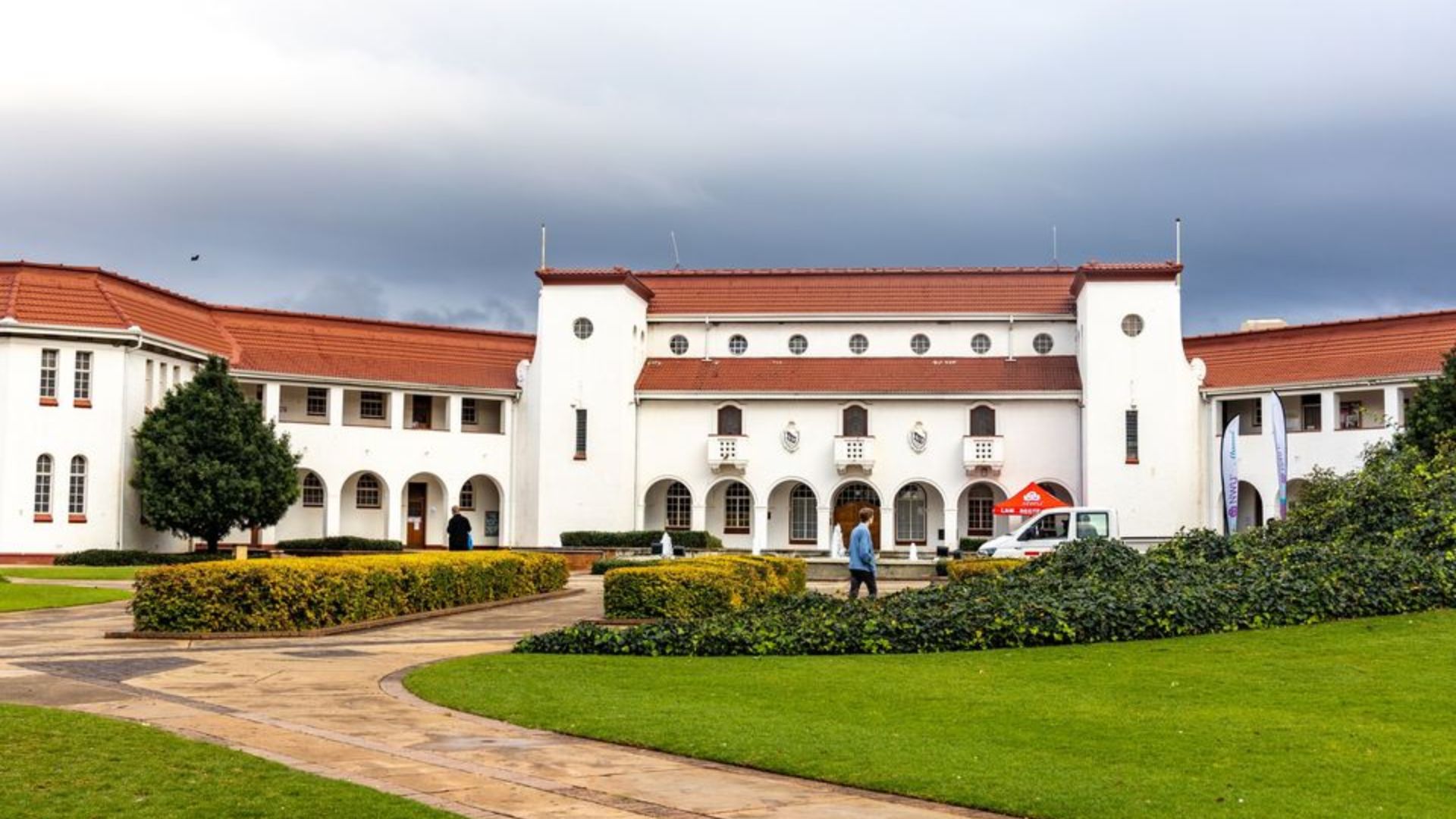
North-West University
NWU is a multi-campus research university with about 56 579 undergraduates and 16 167 postgraduates across Potchefstroom, Mafikeng, and Vanderbijlpark. It offers eight faculties—Economic & Management Sciences; Education; Engineering; Health Sciences; Humanities; Law; Natural & Agricultural Sciences; Theology—and supports both residential and distance-learning programmes and research partnerships.
Western Cape Universities

Cape Peninsula University
CPUT is a University of Technology formed in 2005 by merging Cape and Peninsula Technikons. It serves nearly 35 000 students across five campuses in Bellville, District Six, Mowbray, Granger Bay, and Wellington, with six faculties—Business; Engineering; Design & Informatics; Health & Wellness Sciences; Education & Social Sciences; Applied Sciences—and an e-Innovation Academy for postgraduate studies .

Stellenbosch University
SU is a historic public research university founded in 1918 (origins 1866) in the wine-region town of Stellenbosch. It has about 32 000 students across five campuses and is organized into ten faculties—Engineering; Arts & Social Sciences; Agri & Forestry Sciences; Science; Education; Law; Theology; Military Science; Medicine & Health Sciences; Business School—offering degrees from bachelor’s to doctoral level in English and Afrikaans .
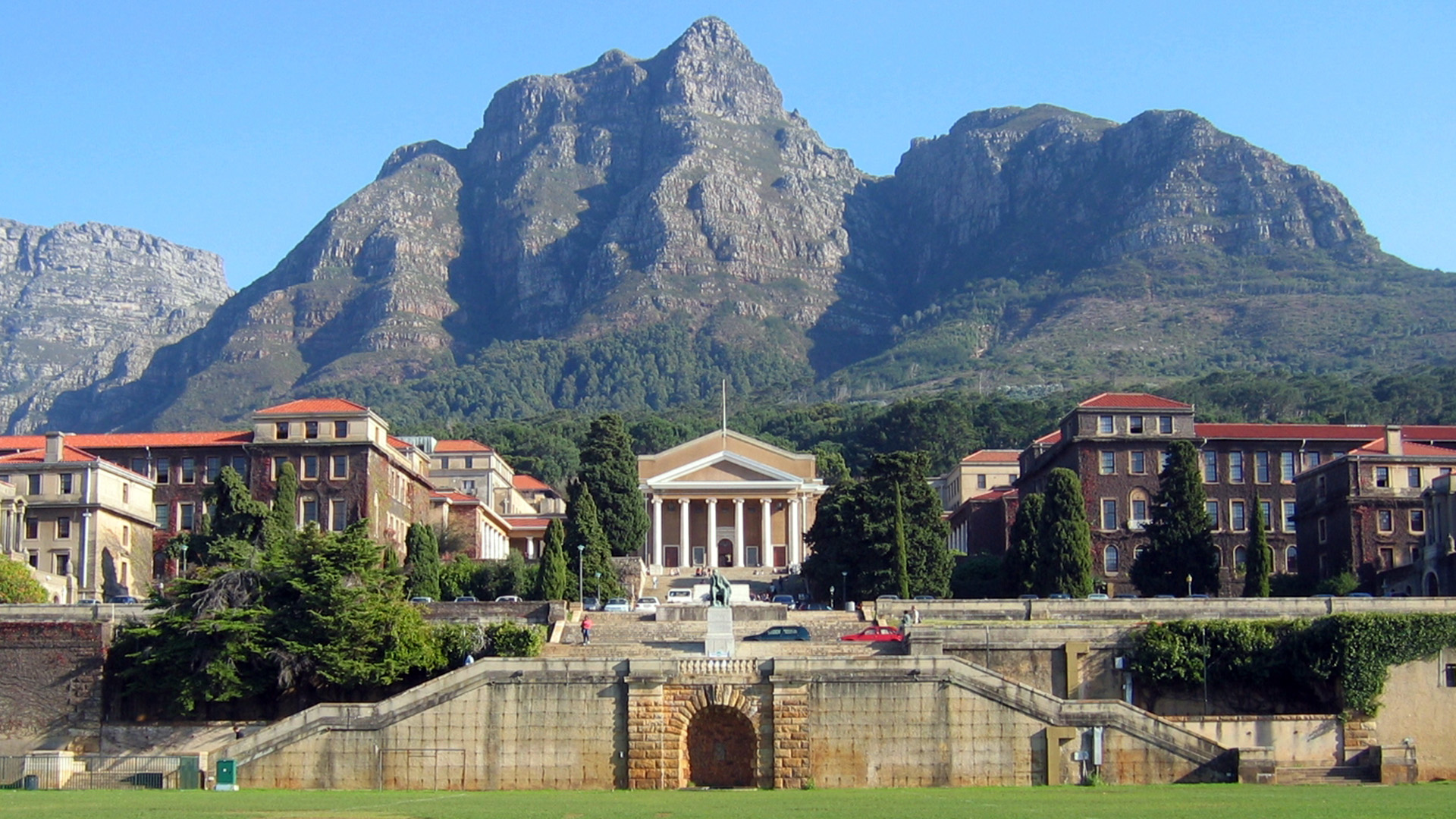
University of Cape Town
UCT, established in 1829 as South African College and granted university status in 1918, is the oldest institution south of the Sahara. It enrolls about 28,000 students across six campuses and comprises six faculties—Commerce; Engineering & the Built Environment; Health Sciences; Humanities; Law; and Science—offering English-medium bachelor’s to doctoral programmes and leading research in medicine, astronomy, archaeology, and social justice.
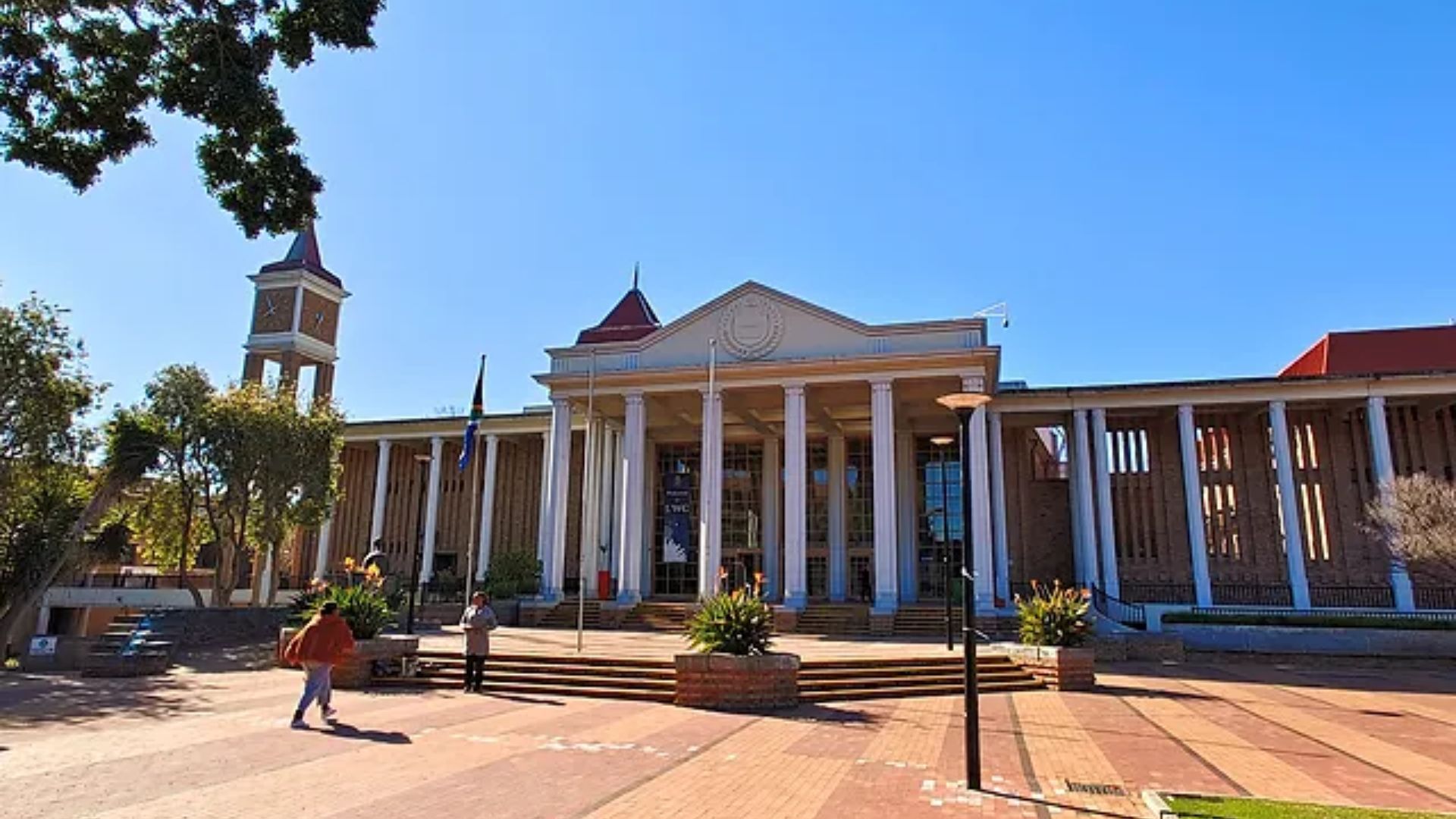
University of the Western Cape
UWC is a public research university in Bellville, founded in 1959 under apartheid for Coloured students. It now serves about 24 000 students and comprises seven faculties—Arts & Humanities; Health Sciences; Dentistry (largest in Africa); Economic & Management Sciences; Education; Law; and Science—home to institutes such as the South African National Bioinformatics Institute and notable research in dental sciences .

University of the Western Cape Stadium
University of the Western Cape Stadium is part of the university’s offerings, hosting intervarsity sports, community events, and graduation ceremonies, but academic programmes are delivered through the seven faculties above, offering modern conference facilities, training centres, multifunctional spaces supporting student engagement; it also includes sports science labs, wellness services, counseling facilities, entrepreneurship, innovation, and leadership hubs.