Category: Universities

  • Student Life and Campus Culture at South African Universities

    Student Life and Campus Culture at South African Universities

    An Overview of University Life in South Africa

    University life in South Africa is a dynamic and multifaceted experience, reflecting the country’s rich cultural diversity and complex socio-political landscape. South African universities are more than just places of learning; they are vibrant communities where students from diverse backgrounds converge, each bringing their unique perspectives and experiences. This confluence of cultures and ideas creates a stimulating environment that enhances both academic and personal growth.

    Academic innovation is a cornerstone of university life in South Africa. Institutions across the country are committed to advancing knowledge and research, often focusing on issues pertinent to the local and global context. This commitment is evident in the diverse range of programs offered, from cutting-edge technology and engineering to social sciences and the humanities. Students are encouraged to engage in critical thinking and problem-solving, preparing them for careers that can influence change on a national and international scale.

    Extracurricular involvement plays a significant role in shaping the university experience. South African campuses are bustling with a variety of student organizations, clubs, and societies that cater to a wide array of interests, including arts, sports, community service, and cultural activities. These organizations provide students with opportunities to develop leadership skills, build networks, and engage in activities beyond their academic pursuits. Participation in these groups helps students to build a well-rounded profile and enhances their university experience.

    Social dynamics on South African campuses are shaped by a rich blend of traditions, contemporary influences, and socio-political realities. The diversity of the student body fosters a unique social environment where students can explore different cultural perspectives and form meaningful connections. Campus life is marked by events such as cultural festivals, academic conferences, and social gatherings that reflect the country’s vibrant traditions and contemporary issues. This social interaction not only enriches the student experience but also prepares them for a globalized world.

    Academic Environment and Learning Experience

    South African universities are recognized for their commitment to educational innovation and excellence. These institutions are increasingly integrating cutting-edge teaching methods and state-of-the-art facilities to enhance the learning experience. Lecture halls are equipped with advanced technology, such as interactive digital platforms and multimedia tools, which facilitate dynamic and engaging classroom interactions. This technological integration supports a variety of learning styles and helps to create an environment where students can immerse themselves in their studies.

    Research laboratories are another crucial aspect of the academic environment in South Africa. These facilities are designed to foster exploration and discovery, providing students with access to the latest tools and technologies. This emphasis on research encourages students to engage in hands-on experimentation and critical inquiry, further enriching their educational experience. The integration of practical, research-based learning helps students develop essential skills and knowledge applicable to their future careers.

    Balancing academic demands with personal development is a common challenge for students. The rigorous academic environment, combined with the pressures of maintaining high performance, often requires students to manage their time and priorities effectively. South African universities recognize this challenge and offer a range of support systems to assist students in achieving both academic and personal success. Academic advisors play a crucial role in guiding students through their educational journey, providing advice on course selection, academic planning, and personal development.

    Peer tutoring programs are also prevalent, offering students additional support from their peers who have already excelled in specific subjects. This peer-to-peer assistance can be invaluable, as it provides students with relatable insights and practical advice from those who have recently navigated similar challenges. Career guidance services are another key component of the support system in South African universities. These services help students explore career options, develop professional skills, and prepare for the job market. Workshops, internships, and networking opportunities are often part of the career guidance program, ensuring that students are well-prepared for their future careers.

    An Overview Of University Life In South Africa
    An Overview Of University Life In South Africa

    Clubs and Societies: Exploring Extracurricular Opportunities

    Extracurricular involvement is a fundamental aspect of the university experience, providing students with opportunities to delve into interests and passions beyond the confines of academic coursework. South African universities offer a rich array of clubs and societies, each designed to cater to diverse interests and foster a vibrant campus community. These organizations play a crucial role in enhancing the overall university experience by promoting engagement, personal development, and leadership.

    Popular student organizations, such as debate clubs and environmental groups, significantly influence campus culture. Debate clubs provide a platform for students to hone their public speaking and critical thinking skills, engage in lively discussions, and participate in competitions. These experiences help students develop persuasive communication abilities and gain confidence in their viewpoints. Environmental groups, on the other hand, focus on sustainability and conservation efforts, allowing students to actively contribute to environmental protection while raising awareness about ecological issues.

    In addition to these well-known organizations, universities also host a variety of niche clubs that cater to specific interests and hobbies. From anime fandoms and gaming societies to coding enthusiast groups and cultural organizations, there is something for everyone. These niche clubs create a sense of belonging and community for students with specialized interests, allowing them to connect with like-minded individuals and share their passions.

    Participating in extracurricular activities offers numerous benefits that extend beyond the immediate enjoyment of hobbies. Students involved in clubs and societies often develop valuable skills such as teamwork, leadership, and networking. Leadership roles within these groups, whether as a president, event organizer, or committee member, provide practical experience in managing projects, coordinating events, and leading teams. Additionally, involvement in diverse activities helps students build strong networks with peers, faculty, and professionals, which can be advantageous for personal and career development.

    Campus Activities: Beyond the Classroom

    University life encompasses a wide range of activities beyond academic work, creating a vibrant and engaging campus environment. Major annual events, such as cultural festivals and sporting competitions, are central to this dynamic atmosphere. These events provide students with invaluable opportunities to celebrate shared interests and cultural traditions while forging strong connections with their peers. Cultural festivals often showcase a rich tapestry of music, dance, food, and art, reflecting the diverse heritage of the student body and the local community. Sporting competitions, ranging from varsity matches to intramural games, foster school spirit and camaraderie, encouraging students to participate in and support their university’s athletic programs.

    These major events typically blend tradition with innovation, offering a unique experience that highlights the character of each institution. For instance, traditional celebrations may include annual heritage days, while innovative events might feature tech expos or sustainability fairs. This mix of old and new keeps the campus experience fresh and engaging, providing students with a variety of ways to connect and participate.

    Leadership and personal growth opportunities are abundant within campus activities. Students frequently take on significant roles in organizing events, leading clubs, or spearheading community outreach initiatives. These roles offer practical experience in event management, team leadership, and community engagement. By participating in these activities, students not only contribute to the campus community but also develop valuable skills that enhance their personal and professional growth.

    Collaborations with local businesses and communities further enrich the student experience. Partnerships with local organizations can provide students with internship opportunities, hands-on projects, and real-world experiences. These collaborations foster a sense of connection between the university and the broader community, allowing students to contribute positively to society and gain insights into various career paths.

    Campus Activities
    Campus Activities

    Social Life and Campus Diversity

    The social life at South African universities is a vibrant reflection of the country’s rich cultural diversity. The campus environment is a mosaic of cultures, perspectives, and experiences, offering students a broad range of social interactions and networking opportunities. Social events, such as multicultural fairs, international food festivals, and cultural showcases, play a crucial role in celebrating and promoting inclusivity and intercultural understanding.

    Navigating the social landscape can be both exhilarating and challenging. Students are often exposed to a variety of viewpoints and backgrounds, which can lead to enriching discussions and new friendships. At the same time, balancing diverse perspectives requires open-mindedness and adaptability. Building meaningful relationships in a multicultural setting involves embracing differences and finding common ground, contributing to a supportive and inclusive social network.

    The rich tapestry of social life on campus fosters a strong sense of community and belonging. Engaging in diverse social activities and forming connections with peers from different backgrounds enhances the overall university experience, providing students with a well-rounded education that extends beyond the classroom. This vibrant social environment not only enriches students’ university years but also prepares them for a globalized world, where intercultural competence and strong social networks are increasingly valuable.

    Housing and Living Arrangements

    Housing choices are pivotal in shaping the university experience, influencing everything from academic performance to social interactions. On-campus accommodation offers several benefits, including a built-in sense of community and immediate access to academic resources. Living in residence halls or university-run apartments often fosters a close-knit environment where students can easily engage with their peers, participate in organized events, and access campus facilities like libraries and study rooms. This proximity to academic and social resources can enhance students’ academic performance and involvement in campus life.

    Conversely, off-campus living provides greater independence and flexibility, allowing students to experience a different lifestyle and manage their own household. This option can be appealing to those who value privacy and autonomy or prefer to live in a more diverse neighborhood outside the university bubble. Off-campus living also offers the chance to develop essential life skills, such as budgeting, cooking, and navigating public transportation. However, it can come with its own set of challenges, including longer commutes to campus and the need for self-discipline in managing academic responsibilities.

    The role of residence life in shaping student experiences is substantial. On-campus housing often involves participation in residence activities, such as social mixers, study groups, and leadership development programs, which can enrich the university experience. Conversely, off-campus students may need to seek out these opportunities independently, which requires a proactive approach to integrating into the university community. Ultimately, the choice between on-campus and off-campus living depends on individual preferences and needs. Factors such as lifestyle, budget, academic focus, and social goals should guide this decision. Both options have their unique advantages and can significantly impact students’ social lives and academic performance.

    Social Life And Campus Diversity
    Social Life And Campus Diversity

    Wellness and Support Services

    Maintaining well-being is a crucial aspect of the university journey, and South African universities are committed to providing comprehensive wellness and support services to help students thrive. Mental health resources are a key component, with universities offering counseling services, support groups, and mental health workshops to address the emotional and psychological challenges students may face. These services are designed to support students in managing stress, anxiety, and other mental health issues, ensuring that they have the resources needed to maintain their emotional well-being.

    Health and fitness facilities on campus further contribute to students’ overall wellness. Gyms, sports centers, and recreational facilities provide opportunities for physical activity, which is essential for managing stress and maintaining a balanced lifestyle. Many universities also offer wellness programs that include fitness classes, intramural sports, and wellness challenges to encourage students to stay active and healthy.

    Strategies for managing stress and achieving a balanced lifestyle are emphasized through various workshops, mindfulness programs, and relaxation techniques. These initiatives are designed to help students develop coping mechanisms and maintain a healthy equilibrium between academic demands and personal well-being. By offering resources and programs focused on wellness, South African universities aim to support students in navigating the challenges of university life while fostering a positive and healthy environment.

    Housing choices and wellness services are integral to the university experience. On-campus and off-campus living each offer distinct advantages, and students should consider their personal preferences and needs when making this decision. Wellness and support services play a critical role in helping students maintain their well-being and succeed academically, offering resources and programs to support mental health, physical fitness, and overall balance.

    Career Development and Post-Graduation Opportunities

    Preparing for life after university is a central focus of the student experience, and South African institutions are dedicated to equipping students with the resources and support needed for a successful transition into the professional world. Career development services are integral to this preparation, offering a range of resources designed to help students navigate the job market and build a strong foundation for their future careers.

    Internships and job placements are key components of career development programs, providing students with practical experience and a valuable foothold in their chosen fields. These opportunities allow students to apply their academic knowledge in real-world settings, develop professional skills, and build industry connections. By engaging in internships, students gain insights into their career interests, refine their resumes, and enhance their employability upon graduation.

    Career counseling services further support students by offering personalized guidance on various aspects of job searching and career planning. Counselors provide assistance with resume writing, interview preparation, and job search strategies, helping students to effectively market their skills and experiences. These services also include workshops and seminars on career-related topics, such as networking, personal branding, and job market trends.

    Alumni networks play a vital role in post-graduation career growth. These networks connect recent graduates with experienced professionals who can offer mentorship, career advice, and networking opportunities. Alumni often serve as valuable resources for job leads, industry insights, and guidance on career progression. Engaging with alumni networks helps students and recent graduates build professional relationships and gain a deeper understanding of their field of interest. The skills and experiences gained during university not only prepare students for their careers but also equip them with the tools needed to thrive in a rapidly evolving job market. The ability to adapt, think critically, and apply knowledge in diverse contexts are essential competencies that enhance career prospects and long-term success.

    Career Development And Post Graduation Opportunities
    Career Development And Post Graduation Opportunities

    Embracing the Full University Experience

    The university experience in South Africa is a multifaceted journey that encompasses academic, social, and personal dimensions. By fully engaging with the diverse aspects of campus life, students can maximize their university experience and set the stage for a successful future. Embracing academic challenges, participating in extracurricular activities, and actively engaging in social interactions contribute to a well-rounded and transformative experience.

    Academic challenges foster intellectual growth and critical thinking, while extracurricular involvement provides opportunities for leadership development and personal enrichment. Social interactions, including participation in campus events and cultural activities, enhance students’ ability to build meaningful connections and navigate diverse environments. By taking advantage of these opportunities, students not only enhance their university experience but also lay a solid foundation for their future endeavors. The vibrant campus culture and rich student life offer a unique and impactful experience, shaping students into well-rounded individuals prepared for both personal and professional success. The holistic development achieved through a comprehensive university experience ultimately sets the stage for a fulfilling and impactful career.

  • Comparison of Public vs. Private Universities in South Africa

    Comparison of Public vs. Private Universities in South Africa

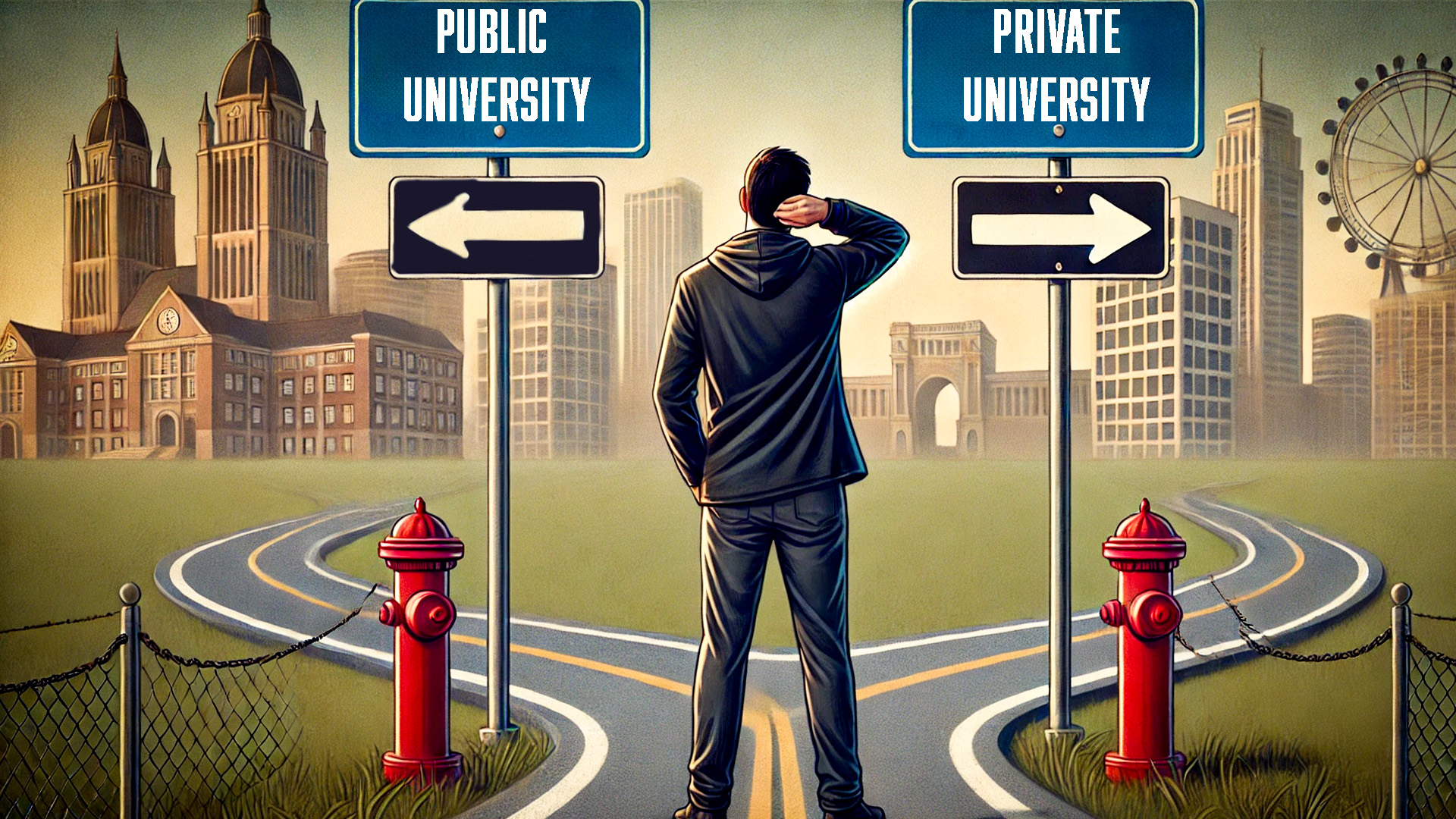
    South Africa’s higher education landscape is a complex tapestry, woven from the threads of both public and private institutions. These universities serve as pillars of intellectual development, cultivating the minds of future leaders and innovators. However, the stark contrasts between public and private universities often raise questions for students seeking the ideal educational environment. From the nuances of funding models to the availability of opportunities beyond the classroom, each type of institution offers distinct advantages and drawbacks. This article delves into a comprehensive analysis of the differences, benefits, and challenges posed by public and private universities in South Africa.

    Overview of South Africa’s Higher Education System

    Brief History of Public and Private Universities

    Public universities have long dominated South Africa’s higher education system, established in the early 20th century to serve the nation’s need for skilled professionals. Institutions like the University of Cape Town and Stellenbosch University became cornerstones of South Africa’s academic heritage, serving vast numbers of students from diverse backgrounds. In contrast, private universities are relatively new players in the sector, emerging in response to the increasing demand for more flexible and niche educational offerings. These institutions often cater to specialized fields and are characterized by smaller, more exclusive student bodies.

    The Role of Public vs. Private Institutions in Shaping South African Society

    Public universities have historically played a pivotal role in addressing societal challenges in South Africa, particularly during the apartheid era. These institutions were hotbeds of political activism, serving as platforms for critical discourse and social change. On the other hand, private universities, less tied to political movements, often emphasize innovation and entrepreneurship, contributing to the country’s economic transformation in a more commercially driven manner. Both public and private institutions continue to shape the social fabric, albeit through different approaches.

    Growth and Popularity of Private Universities: A Recent Phenomenon

    The rise of private universities in South Africa is a testament to the shifting dynamics of education. As the demand for higher education continues to surge, and public universities become increasingly overcrowded, many students are turning to private institutions as alternatives. The growth of these institutions signals a trend towards more personalized and specialized education, appealing to students seeking more direct pathways into the professional world.

    Overview Of South Africas Higher Education Syste
    Overview Of South Africas Higher Education Syste

    Understanding the Differences Between Public and Private Universities

    Funding Models: Government Subsidies vs. Private Investment

    Public universities are primarily funded through government subsidies, which allow them to offer lower tuition fees to students. This model is designed to provide education as a public good, accessible to as many individuals as possible. Private universities, however, rely heavily on private investment, donations, and tuition fees, which can significantly raise the cost of attending these institutions. While this may result in smaller class sizes and more personalized attention, the financial burden is often greater on students and their families.

    Governance Structures: Public Oversight vs. Private Autonomy

    Public universities are governed by state-appointed bodies, which means they are subject to national educational policies and regulations. This can sometimes result in bureaucratic inefficiencies and slower responsiveness to the changing needs of the job market. Conversely, private universities enjoy more autonomy, allowing them to swiftly adapt their curricula and administrative structures to meet industry demands. This agility can be a considerable advantage in rapidly evolving sectors such as technology and business.

    Admission Criteria: Inclusivity vs. Selectivity

    Public universities, due to their mission to serve the broader population, often have more inclusive admission policies. They aim to provide access to higher education for students from diverse socioeconomic backgrounds. Private universities, on the other hand, tend to be more selective, targeting students with specific academic or financial qualifications. This can create an exclusive environment, but it also ensures that private institutions maintain high academic standards and small, focused cohorts.

    Cost of Education: Public vs. Private Tuition and Fees

    Affordability of Public Universities for Low-Income Families

    One of the defining features of public universities in South Africa is their relative affordability. Government funding helps keep tuition fees within reach for most students, particularly those from lower-income families. Additionally, public universities offer numerous financial aid programs, such as the National Student Financial Aid Scheme (NSFAS), to further reduce the financial burden on students.

    Financial Aid and Scholarships: Access for Students

    Both public and private institutions offer financial aid and scholarships, but the availability and scope of these programs differ. Public universities have more extensive government-backed financial support systems, whereas private universities often rely on merit-based scholarships and external funding to assist students. The competition for these scholarships at private institutions can be fierce, and they often target academically exceptional students.

    Value for Money: Are Higher Fees at Private Institutions Justified?

    The higher fees at private universities often raise questions about the value for money they provide. In many cases, these institutions justify their costs with promises of superior facilities, smaller class sizes, and more individualized attention. However, it is crucial for students to assess whether these benefits align with their personal educational goals and career aspirations, as public universities often provide a similar level of academic rigor at a fraction of the cost.

    Cost Of Education Public Vs Private Tuition And Fees
    Cost Of Education Public Vs Private Tuition And Fees

    Academic Reputation and Quality of Education

    Faculty and Research Output: Public Universities Leading the Way?

    Public universities in South Africa, such as the University of the Witwatersrand and the University of Pretoria, are renowned for their research output and academic reputation. These institutions boast a wealth of experienced faculty members and a history of producing groundbreaking research. Private universities, while still developing their research capabilities, tend to focus more on teaching and applied knowledge, emphasizing practical skills over theoretical exploration.

    Curriculum Flexibility: Traditional Public Programs vs. Innovative Private Curricula

    Public universities often adhere to more traditional curricula, offering established degree programs that have been fine-tuned over decades. Private universities, however, have the advantage of innovation, frequently tailoring their curricula to meet the demands of emerging industries. This flexibility allows private institutions to offer programs in areas such as digital marketing, artificial intelligence, and other rapidly growing fields.

    Accreditation and Quality Assurance: How Do Both Types Compare?

    Both public and private universities are subject to accreditation and quality assurance by the Council on Higher Education (CHE). However, public universities generally have a longer history of accreditation, with established reputations for maintaining high academic standards. Private universities, while also accredited, may face more scrutiny as they build their reputations and expand their offerings.

    Campus Life and Extracurricular Opportunities

    Diversity and Student Communities: Public Universities as Melting Pots

    Public universities are known for their diverse student populations, drawing students from a wide range of cultural, economic, and geographic backgrounds. This diversity fosters a dynamic and inclusive campus environment, where students are exposed to different perspectives and experiences. Private universities, with their more selective admissions, often have less diversity but may offer a more cohesive, tight-knit community.

    Facilities and Resources: Modern Amenities at Private Universities vs. Public Legacy Infrastructure

    Private universities often boast state-of-the-art facilities, with modern amenities designed to attract students seeking a high-end educational experience. Public universities, while still offering excellent facilities, may have older infrastructure due to their reliance on government funding. However, many public institutions are continuously upgrading their campuses to provide students with the resources they need for success.

    Sports, Clubs, and Societies: Differences in Extracurricular Offerings

    Public universities typically offer a wider range of extracurricular activities, including sports, cultural clubs, and academic societies. These activities are often well-funded and provide students with ample opportunities to engage in their interests outside of the classroom. Private universities may have fewer extracurricular options but often offer more specialized clubs and societies tailored to the interests of their student bodies.

    Campus Life And Extracurricular Opportunities
    Campus Life And Extracurricular Opportunities

    Job Market Outcomes and Employability

    Alumni Networks: Connections in Public vs. Private Institutions

    Public universities often have extensive alumni networks, providing graduates with valuable connections in various industries. These networks can be instrumental in securing internships, job placements, and career advancement opportunities. Private universities, while typically having smaller alumni communities, often offer more direct access to industry leaders and professionals, thanks to their focus on practical, career-oriented education.

    Graduate Employment Rates: How Do They Compare?

    While both public and private universities produce highly employable graduates, there is a perception that private institutions, with their emphasis on professional skills, may better prepare students for the workforce. However, public universities have a long-standing reputation for producing graduates with critical thinking skills and a strong theoretical foundation, which are highly valued in many sectors.

    Internships and Industry Partnerships: Private Universities’ Focus on Practical Skills

    Private universities often emphasize internships and real-world experience as part of their curricula. These institutions actively cultivate partnerships with businesses and industries, providing students with opportunities to gain hands-on experience before they graduate. Public universities, while offering similar opportunities, may not place as much emphasis on internships as part of their academic programs.

    The Role of Universities in Addressing Societal Challenges

    Public Universities and Their Social Responsibility Mandate

    Public universities have a long-standing tradition of addressing societal challenges, particularly in areas such as public health, education, and social justice. These institutions often take on research projects and community outreach initiatives aimed at improving the lives of South Africans, making them key players in the country’s development.

    Private Universities’ Contribution to Economic Development

    While public universities focus on social responsibility, private institutions often contribute to South Africa’s economic development through entrepreneurship and innovation. By offering programs tailored to the needs of emerging industries, private universities play a crucial role in preparing the next generation of business leaders and innovators.

    The Debate on Social Equity: Access to Higher Education for All

    One of the most pressing issues facing South Africa’s higher education system is access. Public universities, with their lower tuition fees and inclusive policies, are often seen as champions of social equity. Private universities, on the other hand, face criticism for their exclusivity and higher costs, which can limit access for students from disadvantaged backgrounds.

    Graduate Employment Rates
    Graduate Employment Rates

    Challenges and Criticisms Facing Public and Private Universities

    Public University Strikes and Protests: A Continuing Issue

    Public universities in South Africa have been plagued by strikes and protests in recent years, often due to issues such as tuition fees, student housing, and labor disputes. These disruptions can negatively impact students’ academic progress and the overall functioning of the institution.

    Private Universities and the Profit Motive: Quality vs. Commercial Interests

    Private universities, while offering many benefits, are not without their critics. Some argue that the profit-driven nature of these institutions can lead to compromises in academic quality and the commodification of education. Ensuring that academic integrity remains a priority is a key challenge for private universities.

    Long-Term Sustainability of Both Models

    The long-term sustainability of both public and private universities is an ongoing concern. Public universities face funding shortages and infrastructure challenges, while private universities must balance profitability with maintaining academic standards. Both models will need to adapt to changing economic and social conditions to thrive in the future.

    Choosing the Right Institution for Your Future

    Factors to Consider When Making a Decision

    When choosing between a public and private university, students must consider several factors, including cost, academic reputation, campus life, and career prospects. Each type of institution offers unique advantages, and the right choice depends on the individual’s personal goals and circumstances.

    What the Future Holds for Public and Private Universities in South Africa

    As South Africa’s higher education system continues to evolve, both public and private universities will face new challenges and opportunities. The growth of private institutions and the continued importance of public universities suggest a dynamic future for higher education in the country.

    Personalized Education vs. Broader Access: Which Matters Mo re to You?

    Ultimately, the decision between public and private universities comes down to a question of priorities. For some, the personalized attention and innovative programs offered by private universities may be more appealing. For others, the affordability and inclusivity of public universities will take precedence. In either case, South Africa’s higher education system offers a wide range of options to suit every student’s needs.

    Choosing The Right Institution For Your Future
    Choosing The Right Institution For Your Future
  • The Evolution of University Curricula in South Africa

    The Evolution of University Curricula in South Africa

    Universities have long stood as bastions of knowledge, shaping minds for future careers and responsible citizenship. However, with rapid changes in technology, societal expectations, and economic needs, the landscape of higher education is transforming dramatically. In South Africa, this evolution is critical as universities strive to keep pace with a shifting job market and the rise of emerging industries. At the heart of these changes lies a question: How can university curricula evolve to better prepare students for an uncertain and dynamic future?

    Understanding the Shifting Job Market

    The world of work is no longer what it used to be. Technological advancements, the digital economy, and global shifts are redefining the skills that industries need. The traditional model of education, which emphasized preparing students for a predetermined career path, is becoming increasingly inadequate. Today’s job market demands a more adaptable, versatile workforce equipped with a broad range of skills and competencies.

    The Rise of New Industries and Skills

    Industries that didn’t exist a few decades ago, such as artificial intelligence (AI), blockchain, and biotechnology, are now burgeoning fields requiring specialized knowledge. AI, for instance, is not just about programming but also involves understanding data patterns, ethics in technology, and its impact on society. Blockchain technology, originally known for cryptocurrencies, now has applications in supply chain management, secure voting systems, and more. Similarly, biotechnology intersects with fields like genetics and environmental science, presenting complex challenges and opportunities.

    Jobs in these sectors demand a unique blend of technical prowess, creative problem-solving, and adaptability. South African universities are tasked with ensuring that students are equipped with the competencies necessary to enter these fields, offering courses that cater to the future, rather than just the present. This requires a forward-thinking approach to curriculum design, one that anticipates future trends and integrates emerging technologies.

    Global Trends Impacting South Africa’s Workforce

    Globalization and the increasing interconnectedness of economies also impact South Africa’s workforce. The rise of remote work, the gig economy, and cross-border collaborations are all trends that call for a more versatile and globally-minded graduate. Remote work has become a norm for many industries, driven by advancements in digital communication tools and a shift in work culture. This change has implications for how universities prepare students, who now need to be proficient in digital collaboration tools and self-management.

    The gig economy, characterized by short-term, flexible jobs, requires a different set of skills compared to traditional employment. Freelancers and gig workers must be adept at managing their own schedules, negotiating contracts, and marketing their services. Cross-border collaborations, facilitated by digital platforms, demand cultural competence and the ability to work effectively in diverse teams.

    Universities are compelled to integrate global perspectives into their curricula to ensure students are not just locally competitive, but able to operate in a worldwide context. This means incorporating international case studies, encouraging language learning, and fostering an understanding of global economic and cultural dynamics.

    Understanding The Shifting Job Market
    Understanding The Shifting Job Market

    Traditional vs Modern University Curricula

    For many years, university curricula remained largely static, shaped by long-standing academic traditions. However, today’s reality demands a more dynamic approach to education. The static nature of historical curricula, characterized by rigid structures and a focus on theoretical knowledge, is increasingly seen as inadequate for preparing students for modern careers.

    The Static Nature of Historical Curricula

    Traditional curricula often emphasized rote learning and theory over practical, hands-on experience. Courses were structured in silos, with little room for interdisciplinary exploration. Students were expected to acquire knowledge within discrete fields of study, with limited opportunities to apply their learning in real-world contexts.

    This approach, while effective for previous generations, is increasingly seen as out of step with the needs of today’s industries. The rapid pace of technological change and the increasing complexity of global challenges require a more integrated and practical approach to education. Students need to develop not only specialized knowledge but also the ability to think critically and apply their skills across different contexts.

    Adapting to Technological Advancements

    The rapid pace of technological innovation has necessitated an equally swift response from educational institutions. Universities are beginning to embrace more flexible learning models, offering courses in emerging fields like AI, robotics, and digital media. These changes ensure that students gain exposure to cutting-edge technologies and can apply their learning to real-world scenarios.

    The integration of technology into the classroom goes beyond simply offering new courses. It involves rethinking how education is delivered, with an emphasis on interactive and experiential learning. For example, simulations and virtual labs can provide students with hands-on experience in a controlled environment, allowing them to experiment with new technologies and approaches.

    Embracing Cross-Disciplinary Learning

    More than ever, industries require professionals who can transcend traditional academic boundaries. Fields like digital marketing, for example, blend creativity with analytics, while sustainability initiatives require knowledge of both environmental science and economics. As a result, universities are increasingly promoting cross-disciplinary programs that allow students to engage with multiple areas of study.

    Cross-disciplinary learning encourages students to approach problems from multiple perspectives and develop innovative solutions. Programs that combine elements of business, technology, and design, for instance, can prepare students for roles in emerging fields like UX/UI design or digital entrepreneurship. By fostering collaboration across disciplines, universities can help students develop a more holistic understanding of complex issues and prepare them for diverse career paths.

    The Role of Industry Collaboration in Curriculum Design

    An essential aspect of curriculum evolution is forging deeper ties between universities and industries. These partnerships ensure that academic programs remain relevant and aligned with the demands of the job market. By collaborating with industry leaders, universities can gain insights into the latest trends, technologies, and skills in demand.

    Building Stronger Industry-Academia Partnerships

    One of the most effective ways universities can evolve their curricula is by collaborating with industry leaders. Through partnerships, universities gain insights into the latest industry trends, technological advancements, and skills in demand. This allows them to design courses that directly reflect the realities of the workplace, ensuring graduates are prepared for immediate entry into their chosen fields.

    Industry collaborations can take various forms, including advisory boards, joint research projects, and internships. Advisory boards composed of industry professionals can provide valuable feedback on curriculum design and ensure that academic programs remain aligned with current and future industry needs. Joint research projects can offer students opportunities to work on real-world problems and gain hands-on experience in their field of study.

    Tailoring Courses to Real-World Applications

    Real-world applications must be at the heart of curriculum development. Instead of focusing purely on theory, courses are now being tailored to teach students how to apply their knowledge practically. Case studies, simulations, and industry-sponsored projects are becoming central to curricula, helping students bridge the gap between academic learning and real-world challenges.

    Case studies allow students to analyze real-world scenarios and develop solutions based on their academic knowledge. Simulations, such as virtual business environments or engineering labs, provide students with the opportunity to practice their skills in a controlled setting. Industry-sponsored projects give students the chance to work on actual problems faced by businesses, providing them with valuable experience and networking opportunities.

    Work-Integrated Learning Programs and Internships

    Work-integrated learning (WIL) and internship programs are becoming cornerstones of modern university curricula. By providing students with opportunities to work in real-world settings while still in school, universities help them build practical skills and a professional network. These programs also ensure that graduates have the experience required to seamlessly transition from university to the workforce.

    WIL programs can take various forms, including co-op placements, industry projects, and job shadowing. These experiences allow students to apply their academic knowledge in a professional context, develop industry-specific skills, and gain insight into the day-to-day realities of their chosen field. Internships, in particular, provide students with the opportunity to work closely with professionals, build their resumes, and establish connections that can be valuable in their future careers.

    Traditional Vs Modern University Curricula
    Traditional Vs Modern University Curricula

    Incorporating Emerging Technologies into the Classroom

    The 21st-century classroom is no longer confined to four walls and a chalkboard. Today, technology is revolutionizing the way education is delivered, making learning more interactive, engaging, and accessible. Incorporating emerging technologies into the classroom can enhance the learning experience and better prepare students for the digital world.

    The Integration of AI, Data Science, and Coding

    AI, data science, and coding are no longer niche fields; they are essential competencies in today’s job market. Universities across South Africa are increasingly incorporating these subjects into their curricula, ensuring that students from a wide range of disciplines—whether in the sciences or humanities—develop a baseline understanding of these transformative technologies.

    AI and data science are driving innovations across various industries, from healthcare to finance. Universities are introducing courses and programs that focus on machine learning, data analysis, and ethical considerations in AI. Coding, once reserved for computer science students, is now being integrated into curricula across disciplines, enabling students to develop technical skills that complement their primary field of study.

    Virtual Reality and Augmented Reality in Education

    Virtual reality (VR) and augmented reality (AR) are beginning to reshape the learning experience, allowing students to engage in immersive simulations that enhance their understanding of complex concepts. From medical students practicing surgery in virtual environments to architecture students designing in 3D, these technologies are opening up new possibilities for experiential learning.

    VR and AR can create interactive and immersive learning environments that allow students to explore concepts in ways that traditional methods cannot. For example, VR simulations can provide students with realistic scenarios for practicing skills, while AR can overlay digital information onto physical objects, enhancing their understanding of complex systems.

    The Rise of Online Learning Platforms

    Online learning platforms are also transforming education, providing students with greater flexibility and accessibility. Universities are increasingly offering blended learning models, where students can attend classes both online and in-person, creating more dynamic and personalized learning experiences. These platforms also allow universities to reach a broader audience, extending educational opportunities to students who may not be able to attend traditional brick-and-mortar institutions.

    Online learning platforms offer a range of resources, including video lectures, interactive quizzes, and discussion forums. They also enable students to learn at their own pace, balancing their studies with other commitments. Blended learning models combine the best aspects of online and in-person instruction, allowing students to benefit from the flexibility of online learning while still engaging in face-to-face interactions and hands-on activities.

    Addressing the Skills Gap: What’s Missing in Current Curricula?

    Despite many advancements, gaps remain in current university curricula, particularly in addressing the non-technical skills that are crucial to professional success. Bridging these gaps requires a concerted effort to ensure that students are not only academically proficient but also well-rounded and prepared for the demands of the modern workplace.

    The Demand for Soft Skills in the Modern Workplace

    Employers consistently emphasize the importance of soft skills—such as communication, leadership, teamwork, and adaptability—yet these are often underemphasized in academic settings. Soft skills are critical for success in today’s collaborative and fast-paced work environments, and universities must integrate their development into their programs.

    Soft skills can be developed through various approaches, including group projects, presentations, and extracurricular activities. Universities can also offer workshops and training sessions focused on areas such as public speaking, conflict resolution, and time management. By incorporating soft skills training into the curriculum, universities can help students build the interpersonal and professional skills needed for success in their careers.

    Digital Literacy as a Core Competence

    In a world dominated by technology, digital literacy is a fundamental requirement for almost every profession. Universities must ensure that all students, regardless of their chosen field of study, possess a high level of digital competence. This includes understanding digital tools, cybersecurity, and the ethical implications of technology in society.

    Digital literacy encompasses a range of skills, from basic proficiency in using software applications to understanding data privacy and security. Universities can integrate digital literacy into their curricula by offering courses on topics such as cybersecurity, data ethics, and digital communication. Ensuring that students are digitally literate will prepare them for a wide range of professions and help them navigate the complexities of the digital world.

    Bridging the Gap between Academia and Practical Skills

    There remains a disconnect between academic learning and the practical skills required in many industries. Universities need to work more closely with businesses to ensure that their programs provide students with the hands-on experience and industry-specific skills that will make them competitive in the job market.

    Bridging this gap involves not only updating curricula to reflect industry needs but also fostering strong relationships with employers. Universities can establish advisory boards composed of industry professionals, create internship and co-op programs, and engage in joint research projects. These efforts can help ensure that students gain the practical experience and skills needed to succeed in their chosen fields.

    Incorporating Emerging Technologies Into The Classroom
    Incorporating Emerging Technologies Into The Classroom

    Curriculum Flexibility: A Key to Lifelong Learning

    In today’s fast-evolving world, the concept of education as a one-time event is becoming obsolete. Lifelong learning is now essential for staying relevant in the workforce. As industries and technologies continue to evolve, individuals must be prepared to continuously update their skills and knowledge throughout their careers.

    Modular Learning Paths and Micro-Credentials

    One approach to fostering lifelong learning is offering modular courses and micro-credentials that allow students to learn at their own pace. These programs offer flexibility, enabling students to upskill or reskill throughout their careers without committing to full degree programs. Modular learning paths can include short courses, workshops, and online certifications, providing targeted learning opportunities that align with industry needs and personal career goals.

    Micro-credentials, such as digital badges and certificates, recognize specific skills or achievements and can be a valuable addition to a professional resume. They offer a way for individuals to demonstrate their expertise in particular areas and stay competitive in a rapidly changing job market.

    Continuous Education in a Rapidly Changing World

    The rapid pace of technological change requires workers to continually update their skills. Universities can support this by offering short courses, workshops, and certifications that cater to professionals seeking to keep their knowledge current. Continuing education programs can address emerging trends and technologies, providing professionals with the tools they need to adapt and thrive in their careers.

    Continuing education can also facilitate career transitions, allowing individuals to acquire new skills and explore different career paths. Universities can collaborate with industry partners to develop relevant and timely courses that meet the evolving needs of the workforce.

    Encouraging Independent and Entrepreneurial Thinking

    To truly thrive in today’s world, students must be encouraged to think independently and entrepreneurially. Universities can nurture these qualities by offering programs in innovation, problem-solving, and creative thinking. Entrepreneurship education, in particular, can help students develop the skills needed to start and manage their own businesses, fostering a culture of innovation and self-reliance.

    Programs in entrepreneurship can include courses on business planning, marketing strategies, and financial management. Universities can also provide support through incubators, mentorship programs, and networking opportunities, helping students turn their ideas into viable ventures.

    Challenges Faced by South African Universities in Curriculum Evolution

    Despite the clear need for curriculum evolution, South African universities face several challenges in implementing these changes. Addressing these challenges requires a strategic approach and a commitment to overcoming barriers.

    Financial Constraints and Resource Allocation

    Universities, particularly those in developing countries, often struggle with limited funding and resources. Updating curricula, hiring new faculty, and investing in technology all require significant financial commitment, which can be a barrier to progress. Financial constraints can also impact the ability to offer competitive salaries and retain top faculty members.

    To address these challenges, universities can explore alternative funding sources, such as industry partnerships, government grants, and alumni contributions. Collaborating with businesses and organizations can also provide access to resources and expertise that can support curriculum development and innovation.

    Balancing Tradition with Innovation

    While modernization is necessary, universities must also honor academic traditions. Striking the right balance between preserving valuable aspects of traditional education and embracing innovation is a challenge that many institutions continue to grapple with. Traditional values and methods of instruction have their place, but they must be integrated with contemporary approaches to create a well-rounded educational experience.

    Universities can address this challenge by adopting a phased approach to curriculum reform, incorporating new methods and technologies gradually while maintaining core academic principles. This approach allows institutions to adapt to change while preserving the strengths of traditional education.

    Meeting the Needs of Diverse Student Populations

    South Africa’s diverse student population brings unique challenges to curriculum development. Universities must ensure that their curricula are inclusive and address the needs of students from varying socioeconomic backgrounds, ensuring that all have equal access to education and opportunities.

    Inclusivity in curriculum design involves considering the diverse needs and perspectives of students, including those from marginalized or underrepresented groups. Universities can implement initiatives such as scholarships, support services, and targeted outreach programs to ensure that all students have the resources and support they need to succeed.

    Challenges Faced By South African Universities In Curriculum Evolution
    Challenges Faced By South African Universities In Curriculum Evolution

    Paving the Way for the Future

    The transformation of university curricula is an ongoing process. By continually evolving and adapting to the needs of the job market and emerging industries, universities can ensure they remain relevant and impactful. This dynamic approach to education will prepare students for the challenges and opportunities of the future.

    The Continuous Evolution of University Curricula

    Curriculum development is not a one-time process. It requires constant reassessment and adaptation. Universities must be agile, responding to technological advancements, industry demands, and societal changes to provide students with the best possible education. Regular reviews of curriculum content and instructional methods, along with feedback from students and industry partners, can help ensure that programs remain relevant and effective.

    Preparing Graduates for a Dynamic and Unpredictable Job Market

    In an era of constant change, universities play a critical role in preparing students for an unpredictable job market. By fostering critical thinking, adaptability, and innovation, universities can ensure that their graduates are not just equipped to meet the challenges of today’s industries but are also prepared to shape the future.

    Graduates who are adaptable, innovative, and well-rounded will be better positioned to navigate the complexities of the modern workforce. Universities must focus on developing these qualities in their students, ensuring that they are not only capable of succeeding in their chosen fields but also equipped to lead and drive change.

    The evolution of university curricula is essential for preparing students for a rapidly changing world. By embracing new technologies, fostering cross-disciplinary learning, and collaborating with industry, universities can create educational experiences that are both relevant and impactful. As South African universities continue to adapt and innovate, they will play a vital role in shaping the future of education and the workforce.

  • Scholarships and Financial Aid Opportunities

    Scholarships and Financial Aid Opportunities

    The Crucial Role of Financial Aid in Education

    In the landscape of higher education, financial aid plays a pivotal role, often serving as the bridge between aspiration and reality. For many students, the cost of attending college or university can be a formidable barrier. Financial aid alleviates this burden by providing essential support that can transform educational dreams into achievable goals. It democratizes access to higher learning, allowing students from diverse backgrounds to pursue their academic and professional ambitions without being hindered by financial constraints.

    Understanding the Different Types of Financial Assistance

    Financial assistance comes in various forms, each designed to cater to different needs and circumstances. Scholarships and grants offer non-repayable support, directly reducing the cost of education. Loans, on the other hand, must be repaid, often with interest, and are a significant consideration for many students. Work-study programs provide an opportunity to earn money while studying, offering a practical solution to manage expenses. Understanding these options is essential for navigating the complexities of funding education effectively.

    Types of Scholarships

    Merit-Based Scholarships: Rewarding Academic Excellence

    Merit-based scholarships are awarded based on academic achievements, exceptional talent, or specific skills. These scholarships recognize and reward students who demonstrate outstanding performance in their studies or other areas, such as athletics or arts. Competitive academic scholarships, often provided by institutions or private organizations, not only ease the financial burden but also acknowledge the student’s hard work and dedication. These awards can range from partial to full tuition coverage, providing a significant financial boost to deserving individuals.

    Need-Based Scholarships: Supporting Financially Disadvantaged Students

    Need-based scholarships are designed to assist students who face financial difficulties in affording higher education. These scholarships are awarded based on a student’s financial need, often determined through detailed application processes that assess family income and financial status. Federal Pell Grants and institutional need-based awards are prime examples of this type of support. By focusing on those who require financial help to pursue their education, need-based scholarships aim to level the playing field and provide opportunities to those who might otherwise be unable to attend college.

    Special Interest and Identity-Based Scholarships

    Special interest and identity-based scholarships cater to specific groups or interests, reflecting a diverse array of backgrounds and goals. These scholarships may be available to minority students, women, or those pursuing careers in underrepresented fields. They often aim to promote diversity, equity, and inclusion within educational environments. For example, scholarships for women in STEM fields or for students from indigenous communities highlight the commitment to supporting underrepresented groups and encouraging their participation in various academic and professional arenas.

    Grants: An Overview

    Federal Grants: Opportunities from the Government

    Federal grants are a cornerstone of financial aid, offering substantial support to students in need. The Pell Grant, one of the most well-known federal grants, provides financial assistance to undergraduate students based on financial need, with the amount varying depending on the student’s circumstances and educational costs. The Federal Supplemental Educational Opportunity Grant (FSEOG) offers additional aid to students with exceptional financial need. These grants are typically awarded based on information submitted in the Free Application for Federal Student Aid (FAFSA), making them accessible and crucial for many students.

    State and Local Grants: Funding Opportunities Closer to Home

    State and local grants provide funding opportunities tailored to residents and students within specific regions. These grants can be highly competitive and may require separate applications or specific eligibility criteria. They often focus on supporting students attending institutions within their home state or region. By offering localized financial aid, state and local grants aim to enhance access to education and support community-based educational initiatives. Students should explore their state’s educational agency or local organizations for information on available grants and application procedures.

    Private and Institutional Grants: Support from Nonprofits and Universities

    Private and institutional grants are offered by private organizations, foundations, and educational institutions. These grants can be based on various criteria, including academic achievements, financial need, or specific interests. Private organizations may provide grants to support educational goals aligned with their missions, while universities might offer institutional grants to attract and support talented students. Finding and applying for these grants often requires thorough research and engagement with the granting bodies to understand eligibility and application requirements.

    The Crucial Role Of Financial Aid In Education
    The Crucial Role Of Financial Aid In Education

    Student Loans

    Federal Student Loans: Understanding Direct Loans and Perkins Loans

    Federal student loans provide a crucial funding option for many students, with terms and conditions set by the government. Direct Subsidized Loans are available to undergraduate students with financial need, offering the advantage of no interest accumulation while the student is in school. Direct Unsubsidized Loans are available regardless of financial need and accrue interest during school. Perkins Loans, though less common now, were previously offered to students with exceptional financial need and had favorable terms. Understanding these options helps students make informed decisions about borrowing and repayment.

    Private Student Loans: When and How to Use Them

    Private student loans are offered by private lenders, such as banks and credit unions, and can supplement federal loans when additional funding is needed. Unlike federal loans, private loans often come with varying interest rates, terms, and repayment conditions. They may require a credit check and a co-signer. Private loans can be beneficial for covering gaps in funding but should be approached with caution, ensuring that the terms align with the borrower’s financial situation and long-term repayment capabilities.

    Managing Loan Repayment: Strategies for Success

    Managing student loan repayment effectively is crucial for maintaining financial health post-graduation. Various repayment plans are available, including standard, graduated, and income-driven plans. Options like deferment and forbearance can provide temporary relief in case of financial hardship. It’s important to stay informed about repayment schedules, make payments on time, and explore options for loan consolidation or refinancing if beneficial. Strategic management of loan repayment can ease financial stress and contribute to long-term financial stability.

    Work-Study Programs

    How Work-Study Programs Function: Balancing Work and Study

    Work-study programs offer students a way to earn money while attending school, balancing work responsibilities with academic commitments. These programs provide part-time jobs, often on campus, that are designed to fit around a student’s class schedule. Work-study positions can include administrative roles, research assistance, or community service, and are intended to help students gain work experience while contributing to their educational expenses. Understanding how work-study fits into one’s schedule and academic life is key to making the most of this opportunity.

    Finding Work-Study Opportunities: Tips and Resources

    Securing a work-study position involves identifying available jobs and applying for them. Students can start by checking with their college’s financial aid office or career services for information on available positions. Networking with faculty and fellow students can also uncover potential opportunities. To maximize the benefits of work-study, students should actively seek roles that align with their career interests and offer valuable experience, in addition to providing financial support.

    The Benefits of Work-Study: Beyond Just Financial Support

    Work-study programs offer more than financial relief. They provide opportunities for professional development, skill-building, and networking. Students can gain hands-on experience in their field of interest, develop workplace skills, and establish connections that can benefit their future careers. Additionally, the flexibility of work-study jobs helps students manage their time effectively, contributing to a well-rounded college experience.

    Student Loans
    Student Loans

    Finding Financial Aid

    Researching Scholarships and Grants: Tools and Resources

    Finding the right scholarships and grants requires a strategic approach. Online databases, such as scholarship search engines and financial aid websites, offer extensive listings of available opportunities. Community organizations, local businesses, and academic institutions also provide valuable resources and information. Leveraging these tools and resources helps students discover and apply for financial aid that aligns with their needs and qualifications.

    Applying for Financial Aid: Essential Tips for Success

    Successful applications for financial aid involve careful preparation and attention to detail. Crafting compelling essays, gathering necessary documentation, and meeting deadlines are crucial steps in the process. Students should also ensure their application materials accurately reflect their achievements, financial situation, and educational goals. Thorough preparation and a proactive approach to applying for financial aid can significantly enhance the chances of receiving support.

    Avoiding Common Pitfalls: What Not to Do

    Navigating the financial aid process requires avoiding common pitfalls. Missing application deadlines, submitting incomplete or inaccurate information, and neglecting to follow up on applications can jeopardize financial aid opportunities. Students should be diligent in their application efforts, double-checking all materials and adhering to guidelines to avoid these errors. Awareness of these common pitfalls helps ensure a smoother and more successful financial aid experience.

    Managing Financial Aid

    Understanding Your Financial Aid Package: What’s Included

    Interpreting a financial aid package involves understanding the components of the award, including scholarships, grants, loans, and work-study. Students should review the terms and conditions of each type of aid, including disbursement schedules, repayment obligations, and renewal requirements. Clear comprehension of the financial aid package ensures effective management of resources and financial planning throughout the academic journey.

    Budgeting and Financial Planning: Making the Most of Your Aid

    Effective budgeting and financial planning are essential for maximizing the benefits of financial aid. Students should create a detailed budget that outlines educational expenses, living costs, and other financial obligations. Strategic planning helps in managing the funds provided through financial aid, ensuring they cover necessary expenses and contribute to overall financial stability. Proper budgeting also helps avoid unnecessary debt and promotes responsible financial management.

    Renewing and Maintaining Financial Aid: Staying on Track

    Renewing and maintaining financial aid involves meeting ongoing requirements and deadlines. Students must reapply for financial aid annually, ensuring they provide updated information and meet eligibility criteria. Maintaining good academic standing and fulfilling any conditions attached to the aid are also crucial for continued support. Staying organized and proactive in managing financial aid ensures sustained assistance throughout the educational journey.

    Managing Financial Aid
    Managing Financial Aid

    Special Considerations

    Aid for International Students: Opportunities and Challenges

    International students face unique challenges in securing financial aid. Scholarships, grants, and loans available specifically for international students can help address these challenges. Opportunities may include scholarships offered by international organizations, private foundations, and institutions that support global education. Understanding the specific eligibility requirements and application processes for international aid is essential for accessing these resources.

    Support for Non-Traditional Students: Unique Financial Aid Options

    Non-traditional students, including adult learners and those returning to education after a break, have access to specialized financial aid resources. These may include grants, scholarships, and loans tailored to their circumstances. Programs often consider prior work experience, family responsibilities, and career goals. Exploring these unique options helps non-traditional students find the financial support needed to achieve their educational objectives.

    Financial Aid for Students with Disabilities: Accessing Additional Resources

    Students with disabilities can access additional financial aid and support services designed to meet their needs. Specialized scholarships and grants are available to assist with educational costs, and accommodations may be provided to ensure equal access to resources. Understanding and utilizing these resources can enhance the educational experience and support academic success for students with disabilities.

    The Importance of Exploring All Financial Aid Options

    Exploring a wide range of financial aid opportunities is crucial for maximizing support and achieving educational goals. By considering various types of aid, including scholarships, grants, loans, and work-study programs, students can create a comprehensive financial plan that addresses their needs. Thorough research and strategic application efforts ensure that students secure the financial support necessary for a successful academic journey.

    Encouragement to Begin Early and Stay Organized

    Starting the financial aid process early and staying organized throughout the application and management stages can significantly impact success. Early preparation allows for thorough exploration of available options, timely completion of applications, and effective management of financial resources. Maintaining organization and proactively managing financial aid contributes to a smoother and more successful educational experience.

    The Importance Of Exploring All Financial Aid Options
    The Importance Of Exploring All Financial Aid Options
  • Emerging Trends in South African Higher Education

    Emerging Trends in South African Higher Education

    In the ever-evolving landscape of higher education, South Africa stands at the cusp of a technological revolution. As the global job market shifts and the demand for tech-savvy graduates increases, universities in South Africa are increasingly integrating cutting-edge technologies such as Artificial Intelligence (AI) and Virtual Reality (VR) into their educational frameworks. This article delves into the emerging trends within South African higher education, exploring how institutions are embracing these advancements to meet the changing needs of students and the job market alike.

    Overview of South African Higher Education: Current Landscape and Challenges

    The evolution of South African universities in the 21st century

    South African universities have undergone significant transformations since the turn of the century. From the integration of digital tools in administrative tasks to the incorporation of online learning platforms, these institutions have progressively modernized their approach to education. However, this evolution has not been without its challenges. The historical disparities in access to quality education and the lingering effects of past inequalities continue to shape the current educational landscape. Yet, despite these hurdles, South African universities have shown resilience and adaptability, gradually embracing technological advancements that are reshaping the face of higher education.

    Traditional education vs. modern technological advancements

    The dichotomy between traditional education and modern technological advancements is stark. Traditional methods, characterized by lecture-based teaching and rote memorization, are increasingly being questioned in a world that demands critical thinking, creativity, and adaptability. Modern technological tools, on the other hand, offer dynamic, interactive, and personalized learning experiences. The shift towards these new methods is not merely a trend but a necessity as universities strive to prepare students for a future where technology plays a central role in almost every industry.

    The urgency of adapting to global educational trends

    The rapid pace of global technological advancements has placed an urgent imperative on South African universities to adapt or risk falling behind. In an interconnected world, the ability of a country’s educational institutions to keep pace with global trends directly impacts its economic competitiveness. As AI and VR become integral components of education worldwide, South African universities must accelerate their adoption of these technologies to remain relevant. This adaptation is not just about staying current; it’s about equipping students with the skills and knowledge they need to thrive in an increasingly digital and automated job market.

    Overview Of South African Higher Education
    Overview Of South African Higher Education

    The Role of Artificial Intelligence in South African Universities

    AI-driven personalized learning: Tailoring education to individual needs

    Artificial Intelligence has the potential to revolutionize education by offering personalized learning experiences that cater to the unique needs of each student. In South African universities, AI-driven platforms are being explored to assess individual learning styles, strengths, and weaknesses, and to provide tailored educational content that maximizes student engagement and success. This personalized approach not only enhances learning outcomes but also fosters a more inclusive educational environment where all students, regardless of their background, have the opportunity to succeed.

    Automating administrative processes: Efficiency and cost-effectiveness

    Beyond the classroom, AI is streamlining administrative processes in South African universities, driving efficiency and cost-effectiveness. From automating student admissions and scheduling to managing financial aid and grading systems, AI reduces the burden on administrative staff, allowing them to focus on more strategic initiatives. This automation also minimizes human error, ensuring that processes are conducted with greater accuracy and speed. The result is a more efficient institution that can allocate resources more effectively, ultimately benefiting both students and faculty.

    Ethical considerations: The balance between innovation and responsibility

    As South African universities increasingly integrate AI into their operations, ethical considerations must be at the forefront of this transformation. Issues such as data privacy, algorithmic bias, and the potential for AI to exacerbate existing inequalities require careful consideration. Universities must navigate the delicate balance between harnessing the benefits of AI and ensuring that its implementation is responsible and equitable. This includes developing ethical guidelines for AI usage, investing in research to address potential biases, and ensuring transparency in AI-driven decisions.

    Virtual Reality: A New Dimension in Education

    Immersive learning experiences: Bringing the classroom to life

    Virtual Reality offers a new dimension in education, transforming traditional learning into immersive experiences that engage students in ways never before possible. In South African universities, VR is being used to create virtual classrooms where students can interact with their peers and instructors in a simulated environment. These immersive experiences bring abstract concepts to life, allowing students to explore complex subjects in a hands-on manner. Whether it’s exploring historical events, conducting virtual experiments, or simulating real-world scenarios, VR makes learning more interactive, engaging, and memorable.

    VR labs and simulations: Hands-on training in a virtual world

    The application of VR in education extends beyond the classroom. Virtual labs and simulations are providing South African students with hands-on training in fields such as medicine, engineering, and the sciences. These virtual environments allow students to practice skills and techniques in a safe and controlled setting, reducing the need for physical resources and mitigating risks associated with real-world practice. For example, medical students can perform virtual surgeries, while engineering students can design and test structures in a virtual lab, gaining practical experience that complements their theoretical knowledge.

    Overcoming geographical barriers: Access to education through VR

    One of the most significant advantages of VR in education is its ability to overcome geographical barriers, making quality education accessible to students in remote and underserved areas of South Africa. Through VR, students who may not have the means to attend a physical university can participate in virtual classes and labs, gaining access to the same educational opportunities as their urban counterparts. This democratization of education has the potential to bridge the gap between rural and urban students, fostering greater equality and inclusion in the South African education system.

    Virtual Reality A New Dimension In Education
    Virtual Reality A New Dimension In Education

    Integration of AI and VR: Transforming the Learning Environment

    Synergy of AI and VR: Creating intelligent virtual tutors

    The integration of AI and VR is transforming the learning environment in South African universities by creating intelligent virtual tutors that offer personalized guidance and support to students. These virtual tutors, powered by AI, can assess a student’s progress, identify areas where they need improvement, and provide targeted assistance in a VR setting. This combination of AI and VR not only enhances the learning experience but also ensures that students receive the individualized attention they need to succeed, even in large classes where one-on-one interaction with instructors may be limited.

    Enhanced student engagement: Interactive and participatory learning models

    AI and VR are also driving a shift towards more interactive and participatory learning models. In traditional education, students are often passive recipients of information. However, with AI and VR, students become active participants in their learning journey. Interactive simulations, virtual group projects, and AI-driven assessments encourage students to engage deeply with the material, fostering critical thinking, problem-solving, and collaboration. This heightened level of engagement not only improves learning outcomes but also prepares students for the collaborative and dynamic nature of the modern workplace.

    Bridging the skills gap: Preparing students for a tech-driven job market

    As the job market becomes increasingly tech-driven, the integration of AI and VR in education is helping South African universities bridge the skills gap. By exposing students to advanced technologies and teaching them how to use these tools effectively, universities are preparing graduates to enter the workforce with the skills and knowledge needed to thrive in a digital economy. Whether it’s coding, data analysis, or virtual collaboration, the skills students acquire through AI and VR education are directly aligned with the demands of the modern job market, ensuring that they are well-equipped to compete on a global stage.

    Case Studies: South African Universities Leading the Way

    University of Cape Town: Pioneering AI and VR initiatives in education

    The University of Cape Town (UCT) is at the forefront of integrating AI and VR into education in South Africa. UCT has developed several innovative programs that leverage these technologies to enhance the learning experience. For instance, the university’s engineering department uses VR to simulate real-world engineering challenges, allowing students to apply their knowledge in a virtual environment. Similarly, AI is being used to personalize learning pathways for students in the humanities, tailoring content to their individual interests and learning styles. UCT’s commitment to technological innovation is setting a benchmark for other South African universities to follow.

    Stellenbosch University: Integrating technology with traditional learning

    Stellenbosch University is another leader in the integration of technology into education. The university has adopted a blended learning approach that combines traditional teaching methods with advanced technologies such as AI and VR. This approach allows Stellenbosch to offer a more flexible and personalized education to its students. For example, the university’s business school uses AI-driven simulations to teach complex concepts in economics and management, while its medical school utilizes VR to provide students with immersive training in surgical procedures. Stellenbosch’s integration of technology with traditional learning methods exemplifies how South African universities can evolve to meet the needs of modern students.

    University of Pretoria: Preparing students for future industries through tech

    The University of Pretoria (UP) is focusing on preparing its students for future industries by integrating AI and VR into its curriculum. UP has established partnerships with leading tech companies to provide students with access to cutting-edge tools and resources. For example, the university’s computer science department offers courses in AI and machine learning, equipping students with the skills needed to excel in the rapidly evolving tech industry. Additionally, UP’s engineering faculty uses VR to simulate complex industrial processes, giving students practical experience in a virtual environment. Through these initiatives, the University of Pretoria is ensuring that its graduates are ready to meet the challenges of the future.

    Integration Of Ai And Vr Transforming The Learning Environment
    Integration Of Ai And Vr Transforming The Learning Environment

    Challenges and Opportunities in Implementing AI and VR

    Financial and infrastructural barriers: The cost of technological integration

    The implementation of AI and VR in South African universities is not without its challenges. One of the most significant barriers is the cost associated with technological integration. The acquisition of advanced hardware and software, as well as the development of specialized programs, requires substantial financial investment. Additionally, many universities face infrastructural challenges, such as limited access to high-speed internet and insufficient technological infrastructure, particularly in rural areas. These financial and infrastructural barriers can hinder the widespread adoption of AI and VR in education, posing a challenge to the equitable distribution of these technologies across all South African universities.

    Faculty training and development: Equipping educators with necessary skills

    Another challenge in implementing AI and VR is the need for faculty training and development. Educators must be equipped with the necessary skills to effectively use these technologies in their teaching. This requires not only technical training but also a shift in pedagogical approaches, as traditional teaching methods may not be fully compatible with AI and VR-based learning. Universities must invest in ongoing professional development programs to ensure that their faculty are prepared to integrate these technologies into their classrooms. Additionally, there is a need for collaboration between universities and tech companies to provide educators with the resources and support they need to succeed in this new educational landscape.

    Future prospects: The potential of AI and VR to reshape education in South Africa

    Despite these challenges, the future prospects for AI and VR in South African education are promising. As technology continues to advance, the cost of implementation is likely to decrease, making it more accessible to a broader range of institutions. Furthermore, as more universities adopt AI and VR, the collective knowledge and experience gained will lead to the development of best practices, further enhancing the effectiveness of these technologies in education. The potential of AI and VR to reshape education in South Africa is immense, offering opportunities to create more personalized, engaging, and inclusive learning environments that prepare students for the challenges of the future.

    Challenges And Opportunities In Implementing Ai And Vr
    Challenges And Opportunities In Implementing Ai And Vr

    Adapting to the Job Market: Preparing Graduates for a Tech-Driven Future

    Industry collaborations: Universities partnering with tech companies

    To ensure that graduates are prepared for a tech-driven future, South African universities are increasingly collaborating with industry partners. These partnerships provide students with access to the latest technologies and real-world experience, bridging the gap between academia and industry. For example, universities are working with tech companies to develop AI-driven tools that enhance the learning experience, while also providing students with opportunities to work on industry projects and internships. These collaborations not only enrich the educational experience but also ensure that graduates are equipped with the skills and knowledge needed to succeed in a rapidly changing job market.

    Curriculum redesign: Aligning courses with future job market demands

    In response to the evolving job market, South African universities are also redesigning their curricula to align with future demands. This includes the incorporation of AI, VR, and other advanced technologies into courses across a wide range of disciplines. For example, business programs are integrating AI-driven data analysis into their curricula, while engineering courses are incorporating VR-based simulations to teach complex concepts. By aligning their courses with the needs of the job market, universities are ensuring that their graduates are well-prepared to meet the challenges of the future and to thrive in an increasingly digital economy.

    Lifelong learning and upskilling: Encouraging continuous education and adaptability

    Finally, as the job market continues to evolve, lifelong learning and upskilling are becoming increasingly important. South African universities are recognizing the need to promote continuous education and adaptability among their graduates. This includes offering short courses, online programs, and certifications that allow individuals to upskill and reskill throughout their careers. By encouraging a culture of lifelong learning, universities are helping graduates to stay competitive in the job market and to adapt to the ever-changing demands of the digital economy. This emphasis on continuous education is critical to ensuring that South African graduates remain relevant and successful in a rapidly evolving world.

    The integration of AI and VR in South African universities is more than just a trend; it represents a fundamental shift in how education is delivered and experienced. As these technologies continue to evolve, they hold the potential to transform the South African education system, making it more responsive to the needs of students and the job market. While challenges remain, the opportunities presented by AI and VR are immense, offering a pathway to a more inclusive, personalized, and effective educational experience. South African universities that embrace these technologies will be well-positioned to lead the way in the 21st century, preparing graduates for success in a tech-driven world.

  • How to Choose the Right University in South Africa: Tips for Students

    How to Choose the Right University in South Africa: Tips for Students

    Choosing the right university is a decision that can shape the trajectory of your life, influencing both your personal and professional journey. In South Africa, where higher education is rich with opportunities and diversity, the task becomes even more nuanced. Here’s a comprehensive guide to help you navigate this pivotal choice, ensuring that your selection aligns with your aspirations, goals, and unique preferences.

    Understanding Your Academic and Career Goals

    Identifying Your Field of Study: How Your Interests Align with Career Opportunities

    The first step in selecting a university is to understand where your passions lie. Do you have a burning desire to solve complex problems, or does the art of communication excite you? Your field of study should resonate deeply with your personal interests, but it should also align with viable career opportunities. Consider fields that not only spark your curiosity but also offer robust career prospects. In South Africa, emerging industries like renewable energy, technology, and healthcare are expanding rapidly, offering exciting pathways for future professionals. Delve into your interests, research potential career outcomes, and choose a field that will both satisfy your intellectual appetite and offer sustainable job opportunities.

    Long-Term vs. Short-Term Educational Objectives: Making the Right Choice

    Your academic journey can be driven by either long-term or short-term objectives, or a blend of both. Are you looking for a degree that provides immediate entry into the job market, or are you aiming for advanced study, such as a master’s or doctoral degree? A short-term focus might prioritize practical, job-ready skills, while a long-term perspective might emphasize research opportunities and academic prestige. Consider what you want to achieve in the next few years versus where you see yourself a decade from now. Your choice of university should cater to these timelines, offering the flexibility to shift as your objectives evolve.

    The Importance of Future Career Prospects: Planning Ahead for Success

    Planning for the future is crucial when selecting a university. The job market is constantly evolving, and what is in demand today may not be tomorrow. Investigate how the universities you are considering stay ahead of industry trends. Do they offer cutting-edge facilities, industry partnerships, or placement programs? A university that is connected to the business world, with strong ties to industry leaders, can offer you internships and job placements that give you a competitive edge. Ensure that the university you choose is one that not only prepares you for the present but also equips you with the skills and knowledge to adapt to the future.

    Understanding Your Academic And Career Goals
    Understanding Your Academic And Career Goals

    Researching University Offerings

    Curriculum and Course Flexibility: How to Ensure Your University Meets Your Academic Needs

    A university’s curriculum is the backbone of your educational experience. It’s essential to evaluate whether the courses offered align with your academic goals. Some universities provide rigid, predetermined curricula, while others offer a more flexible approach, allowing students to tailor their education to their interests. Flexibility can be crucial, especially if you wish to explore interdisciplinary studies or need to adjust your focus as your academic journey unfolds. Check if the universities you are considering offer options like elective courses, double majors, or opportunities to study abroad, all of which can enrich your academic experience.

    Special Programs and Opportunities: What Sets Universities Apart?

    Beyond the standard curriculum, what additional programs does the university offer that could enhance your education? Look for unique opportunities such as honors programs, research initiatives, and specialized workshops. Some universities in South Africa offer innovative programs that integrate technology, entrepreneurship, or community engagement, giving students a chance to apply their knowledge in real-world settings. These programs not only differentiate universities but also provide you with experiences that can distinguish you in the job market.

    Faculty Expertise and Industry Connections: Why They Matter

    The faculty at a university plays a pivotal role in shaping your academic experience. Are the professors leaders in their fields? Do they bring real-world experience to the classroom? Faculty members with strong industry connections can open doors to internships, mentorships, and job opportunities. They can also provide insights that go beyond textbooks, offering you a practical perspective on how your academic knowledge applies in the real world. When researching universities, take the time to learn about the faculty in your chosen field and consider how their expertise and connections can benefit you.

    Evaluating Campus Life and Culture

    Student Community and Extracurricular Activities: Finding Your Fit

    University life extends beyond academics; it’s also about the community you’ll be part of. A vibrant student community can significantly enhance your university experience. Are there clubs, societies, or organizations that align with your interests? Whether you’re passionate about sports, arts, social justice, or entrepreneurship, extracurricular activities offer a way to develop new skills, build friendships, and create a balanced university life. Look for universities where the student community is active and where there are ample opportunities to get involved outside the classroom.

    Campus Facilities and Resources: Ensuring a Supportive Environment

    The facilities available on campus can have a substantial impact on your academic success and overall well-being. Does the university have state-of-the-art laboratories, libraries, and study spaces? Are there wellness centers, counseling services, and recreational facilities that support a healthy lifestyle? A university that invests in its infrastructure shows a commitment to providing a conducive environment for learning and personal growth. As you explore your options, consider how the campus facilities will support your academic pursuits and contribute to a fulfilling university experience.

    Diversity and Inclusivity: How to Find a Welcoming Community

    South Africa’s universities are known for their diversity, reflecting the country’s rich cultural tapestry. However, the level of inclusivity can vary. A welcoming and inclusive environment is vital for your personal development and sense of belonging. Investigate the university’s policies on diversity, equity, and inclusion. Are there active efforts to support students from different backgrounds? What initiatives exist to foster a sense of community among all students? An inclusive university not only enriches your social experience but also prepares you to thrive in a diverse world.

    Researching University Offerings
    Researching University Offerings

    Considering Location and Accessibility

    Urban vs. Rural Campuses: Which Environment Suits You Best?

    The location of a university can greatly influence your experience. Urban campuses offer the vibrancy and opportunities of city life, with easy access to businesses, cultural institutions, and social activities. However, they can also be more expensive and overwhelming. Rural campuses, on the other hand, provide a quieter, more focused environment, often with a closer-knit community and beautiful natural surroundings. Consider what type of environment you thrive in and how it aligns with your personal and academic needs. The right location can enhance your university experience and support your overall well-being.

    Proximity to Home and Family: Balancing Independence with Support

    Deciding whether to stay close to home or move further away is a significant consideration for many students. Staying close to home allows for a strong support system, which can be comforting as you transition to university life. However, moving further away can foster independence and personal growth, as it pushes you out of your comfort zone. Weigh the benefits of proximity to home against the opportunities that may arise from studying in a different region. The choice should align with your readiness to embrace new challenges while maintaining the support you need.

    Transportation and Accommodation: Practical Considerations for Daily Life

    The daily logistics of getting to and from university can impact your experience more than you might expect. Is the university easily accessible by public transportation? Are there affordable and safe accommodation options nearby? Consider the costs and convenience of living on campus versus commuting. Additionally, think about how your transportation choices will affect your time management and overall quality of life. A well-planned approach to these practical considerations can save you stress and ensure that your focus remains on your studies.

    Financial Planning and Scholarships

    Understanding Tuition Costs: Comparing University Expenses

    The cost of education is a critical factor in choosing a university. Tuition fees can vary widely between institutions, and it’s important to understand what is included in those costs. Are there additional fees for specific programs, labs, or materials? Do the universities you’re considering offer payment plans? Take the time to compare the total costs across different universities and consider what value you’re getting for your investment. Remember that a higher cost doesn’t always equate to better quality, and a less expensive option might offer just as much value depending on your goals.

    Scholarships, Bursaries, and Financial Aid: Opportunities to Reduce Costs

    Financial aid can significantly reduce the burden of tuition costs. Scholarships and bursaries are often available based on academic merit, financial need, or specific talents and interests. Research the availability of these options at each university and consider how they align with your profile. Additionally, look into government funding opportunities or private scholarships that might be available to you. Understanding the full range of financial aid options can make a university that initially seemed out of reach more affordable.

    Part-Time Work and Internships: Balancing Finances with Studies

    Many students opt to work part-time to help finance their studies. Universities often have partnerships with local businesses that offer internships or part-time positions tailored for students. These opportunities not only help with financial management but also provide valuable work experience in your field of study. However, balancing work with academic responsibilities requires careful time management. Consider whether the universities you’re interested in offer support for working students, such as flexible schedules or on-campus job opportunities.

    Financial Planning And Scholarships
    Financial Planning And Scholarships

    University Reputation and Accreditation

    National and International Rankings: How They Influence Your Decision

    University rankings can be a useful tool in your decision-making process, offering a snapshot of an institution’s academic reputation and overall quality. While rankings shouldn’t be the sole factor in your choice, they can provide insights into a university’s strengths and areas of excellence. Look at both national and international rankings to get a sense of how a university is perceived on a broader scale. However, remember to delve deeper into what those rankings measure, as they may prioritize certain factors over others that are more important to you.

    Accreditation and Quality Assurance: Ensuring a Recognized Degree

    Accreditation is a crucial consideration, as it ensures that the education you receive meets certain standards of quality. A degree from an accredited university

    is more likely to be recognized by employers and other educational institutions, both locally and internationally. Check that the universities you are considering are accredited by relevant bodies in South Africa, and explore their processes for maintaining and improving academic quality. Ensuring that your degree is recognized can have a significant impact on your future career opportunities.

    Alumni Success Stories: What Past Graduates Can Tell You About the University

    One of the best ways to gauge the effectiveness of a university’s education is to look at the success of its alumni. Do graduates go on to successful careers in their chosen fields? Are they leaders, innovators, or respected professionals? Universities that actively promote and support their alumni networks often provide ongoing career resources and networking opportunities for current students. Alumni success stories can provide reassurance that the university you choose will prepare you well for life after graduation.

    Application Process and Admission Requirements

    Navigating the Application Process: Tips for a Successful Submission

    The application process can be daunting, but with the right approach, it doesn’t have to be. Start by understanding each university’s specific requirements and deadlines. Prepare all necessary documents well in advance, including transcripts, letters of recommendation, and personal statements. Take the time to craft a thoughtful application that highlights your strengths and aligns with the university’s values. Remember that attention to detail and following instructions carefully can make a significant difference in your application’s success.

    Admission Requirements: How to Meet and Exceed Expectations

    Each university will have its own set of admission criteria, which might include academic grades, standardized test scores, and other qualifications. Research these requirements thoroughly to ensure you meet them, and consider how you can exceed them to stand out in a competitive applicant pool. This might mean taking additional courses, gaining relevant work experience, or participating in extracurricular activities that demonstrate your commitment and leadership skills. Exceeding expectations can enhance your chances of being admitted to your preferred university.

    Preparing for Entrance Exams and Interviews: What to Expect and How to Succeed

    Some universities require entrance exams or interviews as part of the admission process. Preparing for these assessments is crucial. Familiarize yourself with the format of any required exams and practice extensively to build confidence. For interviews, research the university and be ready to discuss why you are a good fit for their program. Be authentic, articulate, and passionate about your chosen field of study. Preparation is key, as these assessments can be a deciding factor in your admission.

    University Reputation And Accreditation
    University Reputation And Accreditation

    Making the Final Decision

    Comparing Offers: How to Weigh Up Your Options

    After receiving offers from universities, the decision-making process can feel overwhelming. Start by listing the pros and cons of each option, considering factors such as academic quality, campus culture, location, and financial costs. It’s important to weigh these factors against your personal priorities. For instance, if career preparation is a top priority, you might lean towards a university with strong industry connections. Ultimately, the right choice will be the one that aligns best with your goals and values.

    Campus Visits and Open Days: Getting a Firsthand Experience

    Visiting campuses and attending open days can provide invaluable insights that brochures and websites can’t. Walking the grounds, sitting in on classes, and talking to current students can give you a feel for the university’s atmosphere and whether it’s the right fit for you. Take note of how comfortable you feel on campus, the vibe of the student body, and the quality of the facilities. These firsthand experiences can play a crucial role in making your final decision.

    Trusting Your Instincts: Making a Decision That Feels Right

    After weighing all the tangible factors, there comes a point where you must trust your instincts. Which university feels like the best fit? Where can you see yourself thriving, both academically and personally? Sometimes, the choice isn’t about logic alone but about where you feel most at home. Trust your gut, as this decision will shape a significant chapter of your life.

    Planning for the Future

    Preparing for University Life: What to Do Before You Start

    Once you’ve made your decision, it’s time to prepare for university life. This preparation involves more than just packing your bags—it’s about mentally and emotionally gearing up for a new chapter. Familiarize yourself with the academic calendar, campus layout, and available resources. Reach out to future classmates or join online groups to start building your community. The more prepared you are, the smoother your transition will be.

    Setting Academic and Personal Goals: How to Stay Motivated

    University is a time of both academic challenge and personal growth. Setting clear goals can help you stay focused and motivated throughout your journey. These goals might include achieving a certain GPA, gaining experience through internships, or building a network of professional contacts. Personal goals are just as important—whether it’s developing new skills, maintaining a healthy lifestyle, or making lifelong friends. Keep your goals in mind as you navigate your university experience, and don’t be afraid to adjust them as you grow.

    Building a Support Network: Finding Mentors and Friends for the Journey Ahead

    Your support network will be crucial during your time at university. This network can include academic mentors, such as professors and advisors, as well as friends who share your interests and values. Building these relationships early on can provide you with guidance, encouragement, and a sense of belonging. Seek out opportunities to connect with others, whether through study groups, clubs, or social events. A strong support network will help you navigate challenges and celebrate successes throughout your university journey.

    Making The Final Decision
    Making The Final Decision
  • South African Universities and the Future of Online Education

    South African Universities and the Future of Online Education

    South African higher education stands at a crossroads, where tradition meets transformation. Historically rooted in face-to-face pedagogy, universities across the nation have long been revered as bastions of academic excellence. Yet, the digital age has ushered in a wave of change, compelling these institutions to reimagine how knowledge is imparted and acquired. The advent of online and remote learning is not merely a trend; it is a paradigm shift reshaping the educational landscape.

    In this evolving context, the role of online education has gained paramount importance globally, challenging the conventional notions of time, space, and accessibility in learning. As the world grapples with an unprecedented demand for flexible, cost-effective, and inclusive education, South African universities are stepping up to the challenge. This article delves into how these institutions are not only adapting to this new reality but are also actively shaping the future of online education, both within the country and beyond.

    The Rise of Online Learning in South Africa

    Historical context: Traditional vs. online education

    South Africa’s educational system has deep roots in traditional, in-person learning. Lecture halls brimming with students, chalkboards filled with notes, and face-to-face interactions between professors and pupils have long been the norm. However, the limitations of this model have become increasingly apparent in a world that demands flexibility and adaptability. Enter online education—a mode of learning that was initially viewed with skepticism but has since proven its worth. The transition from traditional to online learning marks a significant departure from the past, challenging age-old practices and pushing the boundaries of what education can achieve.

    Key drivers of online education in South Africa: Accessibility, cost, and technological advancement

    Several factors have driven the rise of online education in South Africa. Accessibility is perhaps the most compelling—online platforms break down geographical barriers, making it possible for students in remote areas to access top-tier education without the need to relocate. Cost is another critical factor; online education often requires less financial investment, both for institutions and students, making higher education more affordable. Additionally, the rapid advancement of technology has provided the tools needed to deliver engaging and effective online learning experiences. High-speed internet, sophisticated learning management systems, and innovative digital tools have all contributed to the proliferation of online education in the country.

    The role of government and educational institutions in promoting online learning

    The South African government, along with key educational institutions, has played a pivotal role in promoting online learning. Policies aimed at expanding digital infrastructure and initiatives to integrate technology into the curriculum have laid the groundwork for a robust online education system. Universities, in turn, have embraced these developments, investing in the necessary resources and training to ensure that online education is not merely an alternative but a viable, high-quality option for students.

    The Rise Of Online Learning In South Africa
    The Rise Of Online Learning In South Africa

    Challenges Faced by South African Universities in the Online Education Space

    Infrastructure and connectivity issues: Bridging the digital divide

    Despite the promise of online education, significant challenges remain. Chief among them is the issue of infrastructure. South Africa, like many developing nations, grapples with a digital divide that leaves many students without reliable access to the internet or the devices needed for online learning. Universities must contend with these disparities, striving to provide equitable access to education for all students, regardless of their socio-economic background. This often involves partnerships with government and private sector entities to expand connectivity and provide students with the necessary tools to participate fully in online education.

    Ensuring quality and accreditation: Maintaining academic standards in a virtual environment

    Quality assurance in online education is another critical challenge. Traditional universities are bound by rigorous accreditation standards that ensure the quality of education provided. Transferring this level of oversight to the online realm requires careful planning and execution. Universities must develop robust systems to monitor and maintain the quality of their online offerings, ensuring that they meet the same high standards as their in-person counterparts. This includes the development of effective assessment methods, maintaining academic integrity, and providing adequate support to students in a virtual environment.

    Student engagement and retention: Overcoming barriers to effective online learning

    Engagement is a cornerstone of effective learning, yet it poses a significant challenge in the online environment. Without the physical presence of a classroom, keeping students motivated and engaged requires innovative approaches. Universities must explore new ways to foster interaction, build community, and support students who may struggle with the self-discipline required for online learning. Retention rates are closely linked to engagement, and institutions must be proactive in identifying at-risk students and providing the necessary interventions to keep them on track.

    Challenges Faced By South African Universities In The Online Education Space
    Challenges Faced By South African Universities In The Online Education Space

    Innovative Approaches to Online Education

    Blended learning models: Combining the best of online and in-person instruction

    One of the most promising approaches to online education is the blended learning model, which combines the flexibility of online learning with the benefits of in-person instruction. This hybrid approach allows students to enjoy the best of both worlds—engaging with course material at their own pace online, while still benefiting from the face-to-face interactions that are so integral to the learning process. Universities that have adopted blended learning models report higher levels of student satisfaction and improved academic outcomes.

    Leveraging technology for personalized learning experiences

    Technology offers unprecedented opportunities to personalize the learning experience. Adaptive learning platforms, powered by artificial intelligence, can tailor educational content to the individual needs of each student, providing a more customized and effective learning experience. These platforms analyze student performance in real-time, identifying areas where they may need additional support and adjusting the curriculum accordingly. This level of personalization is difficult to achieve in a traditional classroom setting, making it one of the most significant advantages of online education.

    Virtual classrooms and immersive learning environments: The use of VR and AR in education

    The future of online education lies in creating immersive learning environments that go beyond the traditional virtual classroom. Virtual Reality (VR) and Augmented Reality (AR) are at the forefront of this movement, offering students the opportunity to engage with course material in entirely new ways. From virtual field trips to interactive simulations, these technologies bring learning to life, providing experiences that are not only educational but also deeply engaging. South African universities are beginning to explore the potential of VR and AR, positioning themselves as leaders in the next wave of educational innovation.

    Innovative Approaches To Online Education
    Innovative Approaches To Online Education

    Case Studies: Leading South African Universities Pioneering Online Learning

    University of Cape Town: Pioneering digital education in Africa

    The University of Cape Town (UCT) has emerged as a pioneer in digital education, not only in South Africa but across the African continent. UCT’s commitment to online learning is evident in its extensive range of online courses and programs, which cater to both local and international students. The university has invested heavily in the development of high-quality digital content, ensuring that its online offerings meet the same rigorous academic standards as its on-campus programs. UCT’s leadership in this space serves as a model for other institutions looking to expand their online education offerings.

    University of the Witwatersrand: Embracing innovation in online learning

    The University of the Witwatersrand (Wits) is another leading institution that has embraced the potential of online learning. Wits has been at the forefront of developing innovative online programs that cater to a diverse student population. The university’s approach is characterized by a focus on inclusivity, ensuring that students from all backgrounds have access to the resources they need to succeed in an online environment. Wits has also been a leader in the use of technology to enhance the learning experience, incorporating tools such as artificial intelligence and data analytics to support student success.

    Stellenbosch University: Developing a global approach to remote education

    Stellenbosch University has taken a global approach to online education, recognizing that the future of higher education is increasingly interconnected. The university has developed partnerships with institutions around the world, offering joint online programs that provide students with a truly international education. Stellenbosch’s commitment to excellence in online learning is evident in its focus on research and innovation, with the university actively exploring new ways to enhance the online learning experience and contribute to the global conversation on the future of education.

    Leading South African Universities Pioneering Online Learning
    Leading South African Universities Pioneering Online Learning

    The Role of Online Education in Addressing Social Inequities

    Expanding access to education for underserved communities

    One of the most significant benefits of online education is its potential to expand access to higher education for underserved communities. In a country where socio-economic disparities have historically limited educational opportunities, online learning offers a pathway to success for those who might otherwise be excluded. By breaking down geographical and financial barriers, online education provides a more equitable platform for learning, helping to level the playing field and create opportunities for all.

    How online learning can help close the gender gap in education

    The gender gap in education is another area where online learning can have a transformative impact. Women, particularly in rural areas, often face barriers to accessing traditional education, including cultural expectations and family responsibilities. Online education offers a flexible alternative that can accommodate these challenges, allowing women to pursue their studies on their own terms. This not only empowers women but also contributes to the broader goal of gender equality in education and the workforce.

    Promoting lifelong learning and skills development in marginalized populations

    Lifelong learning is essential in today’s rapidly changing world, where the skills required for success are constantly evolving. Online education provides a platform for continuous learning, allowing individuals to upskill and reskill throughout their lives. For marginalized populations, this is particularly important, as it offers a way to break the cycle of poverty and exclusion. By providing access to education that is flexible, affordable, and relevant to the needs of the modern economy, online learning can play a crucial role in promoting social mobility and economic development.

    The Role Of Online Education In Addressing Social Inequities
    The Role Of Online Education In Addressing Social Inequities

    The Future of Online Education in South Africa

    Predicting trends: What’s next for online education?

    The future of online education in South Africa is bright, with several trends emerging that are likely to shape the landscape in the coming years. One of the most significant trends is the increasing integration of technology into the learning experience, with tools such as artificial intelligence, machine learning, and big data analytics playing a central role. These technologies have the potential to revolutionize the way education is delivered, making it more personalized, efficient, and effective.

    The potential impact of AI and machine learning on South African higher education

    Artificial intelligence (AI) and machine learning are poised to have a profound impact on South African higher education. These technologies can automate administrative tasks, provide personalized learning experiences, and offer insights into student performance that can help educators make data-driven decisions. The integration of AI and machine learning into the education system will require significant investment and a willingness to embrace change, but the potential benefits are enormous, offering the opportunity to enhance the quality and accessibility of education across the country.

    Preparing students for a digital future: The role of universities in shaping the workforce of tomorrow

    As the world becomes increasingly digital, the role of universities in preparing students for the future is more important than ever. South African universities must not only equip students with the knowledge and skills they need to succeed in a digital economy but also foster the critical thinking and adaptability that will allow them to thrive in an ever-changing world. This requires a holistic approach to education, one that integrates technical skills with a broader understanding of the social, ethical, and environmental implications of the digital age.

    South African universities are at the forefront of a global transformation in education, leading the way in the development and implementation of online learning. As they navigate the challenges and opportunities of this new landscape, they are not only adapting to the demands of the digital age but also shaping the future of education in profound and meaningful ways. The continued innovation and adaptation of these institutions will be crucial in ensuring that South Africa remains a leader in the global education landscape, providing students with the tools they need to succeed in an increasingly interconnected world. As we look to the future, the importance of online education in fostering a more inclusive, equitable, and effective education system cannot be overstated. The journey ahead is filled with promise, and the impact of these efforts will resonate for generations to come.

    The Future Of Online Education In South Africa
    The Future Of Online Education In South Africa
  • The Impact of AI and Automation on University Curriculums

    The Impact of AI and Automation on University Curriculums

    The rapid rise of artificial intelligence (AI) and automation is not just reshaping industries but is also beginning to redefine the very essence of education. South African universities, like their counterparts around the world, are grappling with the challenge of integrating these transformative technologies into their curriculums. The convergence of AI and automation with traditional educational paradigms has created an urgency for institutions to rethink their approach to teaching and learning. This article delves into how these changes are taking shape, the challenges faced, and the future prospects for higher education in South Africa.

    Understanding AI and Automation: A New Era for Education

    Defining AI and Automation in the Context of Education

    AI, often characterized by its ability to simulate human intelligence through machines, and automation, the use of technology to perform tasks with minimal human intervention, are at the forefront of technological innovation. In education, these technologies go beyond mere tools; they represent a shift in how knowledge is imparted and acquired. AI can tailor learning experiences to individual student needs, while automation can streamline administrative processes, making education more efficient and accessible. However, understanding these technologies in the context of education requires a nuanced perspective that acknowledges their potential to both enhance and disrupt traditional educational models.

    The Global Trend: How AI and Automation are Shaping Higher Education

    Globally, the integration of AI and automation into higher education is not just a trend; it is becoming a necessity. Universities across the world are adopting AI-driven tools to enhance learning experiences, from intelligent tutoring systems to predictive analytics that can identify students at risk of falling behind. Automation, on the other hand, is revolutionizing administrative tasks, freeing up time for educators to focus on teaching and research. These global trends are not just about adopting new technologies; they are about redefining the role of universities in a rapidly changing world. South Africa, with its unique socio-economic challenges and opportunities, stands at a critical juncture in this global transformation.

    Why AI and Automation Matter for South African Universities

    For South African universities, the adoption of AI and automation is not just about keeping pace with global trends; it is about addressing some of the most pressing challenges facing the nation’s education system. With a growing demand for higher education and limited resources, AI and automation offer a way to scale educational opportunities without compromising quality. Moreover, these technologies can help bridge the gap between education and the job market, ensuring that graduates are equipped with the skills needed in an increasingly automated world. In this context, the integration of AI and automation is not just a matter of innovation; it is a matter of necessity.

    Understanding AI and Automation
    Understanding AI and Automation

    Current State of University Curriculums in South Africa

    Traditional Curriculums: Strengths and Weaknesses in a Changing World

    Traditional curriculums in South African universities have long been characterized by a strong emphasis on theoretical knowledge, with less focus on practical, industry-relevant skills. While this approach has produced graduates with deep intellectual foundations, it has also left many ill-prepared for the demands of the modern workforce, where technological proficiency is increasingly important. The strengths of these curriculums lie in their ability to foster critical thinking and analytical skills. However, their weaknesses are becoming more apparent as the world shifts towards a more technology-driven economy, highlighting the need for a more balanced approach that integrates practical skills and technological literacy.

    The Push for Modernization: Recognizing the Need for Technology Integration

    The push for modernization within South African universities is gaining momentum as educators, administrators, and policymakers recognize the urgent need to integrate technology into curriculums. This push is not just about incorporating new tools; it is about rethinking how education is delivered and ensuring that it remains relevant in a rapidly changing world. Modernization efforts are focusing on updating course content to include AI and automation, as well as adopting new teaching methodologies that leverage these technologies. The challenge lies in balancing the preservation of traditional academic values with the need for innovation, ensuring that students are equipped with both the foundational knowledge and the technological skills they need to succeed.

    Case Studies: Universities Leading the Way in Curriculum Innovation

    Several South African universities are leading the way in curriculum innovation, setting examples for others to follow. Institutions such as the University of Cape Town and the University of the Witwatersrand are pioneering efforts to integrate AI and automation into their courses. These universities are not only updating their curriculums but are also investing in research and development to explore new ways of teaching and learning. For example, the University of Cape Town has introduced AI-focused courses across various disciplines, while the University of the Witwatersrand is exploring the use of AI to enhance student support services. These case studies demonstrate that innovation is possible, even in a challenging economic and educational landscape.

    Current State of University Curriculums in South Africa
    Current State of University Curriculums in South Africa

    Incorporating AI and Automation into University Courses

    Developing AI-Focused Programs: The Shift Towards Specialized Degrees

    As the demand for AI expertise grows, South African universities are increasingly offering specialized degrees focused on AI and related fields. These programs are designed to provide students with the skills and knowledge needed to thrive in a technology-driven world. They cover a range of topics, from machine learning and data science to ethical considerations in AI. The development of these programs reflects a broader shift towards specialized education that prepares students for specific careers, rather than just providing a general academic foundation. This shift is essential for ensuring that graduates are not only knowledgeable but also employable in an increasingly competitive job market.

    Integrating Automation Across Disciplines: From Engineering to Humanities

    AI and automation are not just relevant to fields like engineering and computer science; they have applications across virtually every discipline. South African universities are beginning to recognize this, and efforts are underway to integrate these technologies into a wide range of courses, from business and economics to the humanities and social sciences. For instance, automation can be used to analyze large datasets in economics, while AI can enhance research in fields like psychology and linguistics. By integrating these technologies across disciplines, universities can provide students with a more holistic education that prepares them for the complexities of the modern world.

    Collaborations with Industry: Ensuring Relevance and Practicality

    To ensure that their AI and automation programs are relevant and practical, South African universities are increasingly collaborating with industry partners. These collaborations take many forms, from internships and work placements to joint research projects and curriculum development. By working closely with industry, universities can ensure that their programs are aligned with the needs of employers and that students are gaining the skills and experience they need to succeed in the workforce. Moreover, these partnerships can help universities stay at the cutting edge of technological innovation, ensuring that their programs remain relevant in a rapidly changing world.

    Incorporating AI and Automation into University Courses
    Incorporating AI and Automation into University Courses

    Challenges Faced by South African Universities

    Resource Constraints: The Financial and Technological Hurdles

    One of the most significant challenges facing South African universities in their efforts to integrate AI and automation is the issue of resource constraints. Many institutions are struggling with limited budgets and outdated technology, making it difficult to invest in the infrastructure needed to support these new technologies. Moreover, the cost of developing and maintaining AI and automation programs can be prohibitive, particularly for universities that are already under financial strain. These financial and technological hurdles are not insurmountable, but they do require careful planning and strategic investment to overcome.

    Faculty Training and Development: Bridging the Skills Gap

    Another critical challenge is the need for faculty training and development. While AI and automation are transforming the education landscape, many educators are not yet equipped with the skills and knowledge needed to teach these technologies effectively. Bridging this skills gap requires a concerted effort to provide faculty with the training and support they need to integrate AI and automation into their teaching. This could involve professional development programs, collaborative research initiatives, and partnerships with industry experts. By investing in faculty development, universities can ensure that their educators are prepared to lead the way in AI and automation education.

    Student Preparedness: Ensuring Accessibility and Inclusivity

    Ensuring that all students have access to AI and automation education is another significant challenge. In a country with deep socio-economic disparities, many students may lack the resources or background knowledge needed to succeed in these programs. Universities must therefore work to ensure that their AI and automation programs are accessible and inclusive, providing support for students who may need additional help to succeed. This could involve offering bridging courses, providing financial assistance, or developing targeted outreach programs to encourage underrepresented groups to pursue AI and automation education. By prioritizing accessibility and inclusivity, universities can help ensure that all students have the opportunity to benefit from these transformative technologies.

    Challenges Faced by South African Universities
    Challenges Faced by South African Universities

    The Role of Government and Policy in Shaping Curriculums

    Government Initiatives: Supporting Technological Advancements in Education

    The South African government has a crucial role to play in supporting the integration of AI and automation into university curriculums. Through initiatives such as funding for research and development, incentives for universities to adopt new technologies, and support for faculty training and development, the government can help drive the modernization of higher education. Moreover, government policies can help ensure that AI and automation programs are accessible to all students, regardless of their socio-economic background. By providing the necessary support and resources, the government can help ensure that South African universities remain competitive in a globalized world.

    Policy Frameworks: Encouraging Innovation While Maintaining Quality

    While it is important to encourage innovation in higher education, it is equally important to ensure that new programs and technologies are implemented in a way that maintains academic quality. The South African government must therefore develop policy frameworks that balance the need for innovation with the need for quality assurance. This could involve setting standards for AI and automation programs, providing guidelines for curriculum development, and establishing mechanisms for monitoring and evaluating the impact of these technologies on education. By developing robust policy frameworks, the government can help ensure that AI and automation are integrated into university curriculums in a way that enhances, rather than undermines, the quality of education.

    The Future of Education Policy: Predictions and Recommendations

    Looking ahead, it is likely that education policy in South Africa will continue to evolve in response to the growing influence of AI and automation. In the future, we may see greater emphasis on technology-driven education, with policies that support the development of AI and automation programs at all levels of education. Moreover, as the demand for AI expertise grows, there may be increased support for specialized degrees and professional development programs that focus on these technologies. To ensure that these policies are effective, it will be important for the government to work closely with universities, industry partners, and other stakeholders to develop a shared vision for the future of education in South Africa.

    The Role of Government and Policy in Shaping Curriculums
    The Role of Government and Policy in Shaping Curriculums

    Future Prospects: How AI and Automation Could Transform Higher Education

    The Evolution of Teaching Methods: AI as a Tool for Educators

    As AI and automation continue to evolve, they are likely to have a profound impact on teaching methods in higher education. AI can be used to enhance traditional teaching methods, providing educators with new tools and resources to engage students and support their learning. For example, AI-driven tutoring systems can provide personalized feedback to students, helping them to master difficult concepts more effectively. Moreover, AI can be used to analyze student data and identify areas where they may need additional support, allowing educators to tailor their teaching to meet the needs of individual students. As these technologies continue to develop, they are likely to play an increasingly important role in shaping the future of education.

    The Student Experience: Personalized Learning and Support Systems

    One of the most exciting prospects for AI and automation in higher education is their potential to transform the student experience. With AI-driven systems, students can benefit from personalized learning experiences that are tailored to their individual needs and preferences. This could involve everything from customized learning paths to AI-driven support systems that provide real-time feedback and guidance. Moreover, automation can streamline administrative processes, making it easier for students to navigate the complexities of university life. By enhancing the student experience in these ways, AI and automation have the potential to make education more engaging, accessible, and effective.

    Preparing Students for the Future Workforce: Aligning Education with Industry Needs

    As AI and automation continue to reshape the job market, it is essential for universities to align their education programs with the needs of industry. This means not only teaching students the technical skills they need to succeed in an AI-driven world, but also helping them to develop the critical thinking, problem-solving, and communication skills that are essential for success in any field. By focusing on these areas, universities can help ensure that their graduates are well-prepared for the challenges and opportunities of the future workforce. Moreover, by collaborating with industry partners, universities can ensure that their programs remain relevant and up-to-date, providing students with the skills and knowledge they need to thrive in a rapidly changing world.

    The integration of AI and automation into university curriculums is not just a trend; it is a necessity for South African universities seeking to remain competitive in a globalized world. By embracing these technologies, universities can enhance the quality of education, prepare students for the future workforce, and contribute to the development of a more inclusive and equitable society. However, achieving these goals will require a concerted effort from all stakeholders, including universities, government, industry, and the broader community. As we move forward, it will be essential to continue exploring new ways to integrate AI and automation into education, ensuring that these technologies are used to enhance, rather than undermine, the quality of education in South Africa.

    How AI and Automation Could Transform Higher Education
    How AI and Automation Could Transform Higher Education
  • How Universities are Incorporating New Technologies and Innovations into Teaching and Learning

    How Universities are Incorporating New Technologies and Innovations into Teaching and Learning

    The landscape of education is undergoing a profound transformation as universities around the world embrace new technologies and innovative approaches to teaching and learning. The integration of technology into education is not merely about keeping up with trends but about fundamentally enhancing the learning experience, improving accessibility, and preparing students for a rapidly evolving world. This blog explores how universities are incorporating new technologies and innovations into their teaching and learning methods, highlighting key trends and their impact on education.

    1. Online Learning Platforms: Expanding Access and Flexibility

    The rise of online learning platforms represents one of the most significant technological advancements in education. Universities are increasingly adopting these platforms to offer courses and programs that are accessible to students regardless of their location.

    Key Innovations

    • Learning Management Systems (LMS): Platforms like Moodle, Blackboard, and Canvas provide a centralized hub for course materials, assignments, and communication. These systems facilitate a blended learning approach, where students can access lecture notes, participate in discussions, and submit assignments online.
    • Massive Open Online Courses (MOOCs): Platforms such as Coursera, edX, and Udacity offer courses from top universities and institutions worldwide. MOOCs make high-quality education accessible to a global audience, allowing learners to take courses on a wide range of subjects at their own pace.
    • Video Conferencing Tools: Applications like Zoom, Microsoft Teams, and Google Meet have become essential for remote learning. They enable real-time interaction between students and instructors, facilitating virtual lectures, group discussions, and collaborative projects.

    Impact on Education

    Online learning platforms have expanded access to education, providing opportunities for students who might otherwise be unable to attend traditional in-person classes. They offer flexibility in learning schedules, making it possible for students to balance their studies with work or other commitments. Additionally, MOOCs and other online resources allow learners to acquire new skills and knowledge without geographical or financial constraints.

    2. Virtual Reality (VR) and Augmented Reality (AR): Immersive Learning Experiences

    Virtual Reality (VR) and Augmented Reality (AR) are transforming the way students interact with educational content. These technologies create immersive and interactive experiences that enhance understanding and engagement.

    Key Innovations

    • Virtual Reality (VR): VR technology enables students to experience simulations of real-world environments and scenarios. For example, medical students can practice surgical procedures in a virtual operating room, while history students can explore ancient civilizations through VR reconstructions.
    • Augmented Reality (AR): AR overlays digital information onto the real world, enhancing the learning experience with interactive elements. For instance, AR applications can provide additional context and visualizations for physical objects, such as historical artifacts or scientific models.

    Impact on Education

    VR and AR offer experiential learning opportunities that traditional methods cannot match. By immersing students in virtual environments or augmenting real-world objects with digital information, these technologies make complex concepts more accessible and engaging. They also facilitate hands-on practice and exploration, which can lead to deeper understanding and retention of knowledge.

    Virtual and Augmented Reality in Education
    Virtual and Augmented Reality in Education

    3. Artificial Intelligence (AI) and Machine Learning: Personalized Learning and Automation

    Artificial Intelligence (AI) and machine learning are increasingly being used to personalize the learning experience and automate administrative tasks. These technologies help universities tailor education to individual students’ needs and streamline various aspects of academic administration.

    Key Innovations

    • Adaptive Learning Platforms: AI-driven adaptive learning systems adjust the difficulty and pace of instruction based on students’ performance and learning styles. Platforms like DreamBox and Smart Sparrow use data analytics to provide personalized feedback and recommendations, helping students learn more effectively.
    • AI Tutors and Chatbots: AI-powered tutors and chatbots offer on-demand assistance and support. These tools can answer students’ questions, provide guidance on assignments, and offer additional resources, enhancing the learning experience outside of traditional class hours.
    • Automated Grading and Assessment: AI can automate the grading process for assignments and exams, freeing up instructors to focus on more personalized teaching. Automated assessment tools use algorithms to evaluate student submissions and provide feedback, reducing administrative burdens and increasing efficiency.

    Impact on Education

    AI and machine learning enhance the educational experience by providing personalized support and feedback. Adaptive learning platforms help students progress at their own pace, while AI tutors and chatbots offer instant assistance and resources. Additionally, automated grading streamlines administrative tasks, allowing educators to dedicate more time to teaching and student engagement.

    4. Data Analytics: Informed Decision-Making and Student Success

    Data analytics is becoming an integral part of university operations, providing valuable insights into student performance, engagement, and outcomes. By analyzing data from various sources, universities can make informed decisions and implement strategies to improve student success.

    Key Innovations

    • Learning Analytics: Universities use learning analytics to track and analyze students’ academic progress, participation, and behavior. Tools like Tableau and Power BI help educators identify patterns and trends, enabling them to intervene early and provide targeted support.
    • Predictive Analytics: Predictive analytics uses historical data to forecast student outcomes and identify at-risk students. By predicting potential challenges, universities can implement proactive measures to support students and enhance retention rates.
    • Institutional Data Management: Data management systems help universities organize and analyze administrative data, such as enrollment figures, course evaluations, and faculty performance. This information informs strategic planning and decision-making.

    Impact on Education

    Data analytics empowers universities to make data-driven decisions and implement targeted interventions to support student success. By leveraging insights from learning and predictive analytics, institutions can improve academic outcomes, enhance student engagement, and address challenges more effectively.

    Data Analytics
    Data Analytics

    5. Gamification: Engaging and Motivating Students

    Gamification involves incorporating game-like elements into educational activities to increase motivation and engagement. Universities are using gamification techniques to make learning more interactive and enjoyable.

    Key Innovations

    • Educational Games: Universities develop educational games that align with academic content, allowing students to learn through interactive challenges and simulations. These games can cover a range of subjects, from language learning to complex scientific concepts.
    • Badges and Leaderboards: Badges and leaderboards recognize and reward students’ achievements and progress. By earning badges for completing tasks or reaching milestones, students are motivated to stay engaged and excel in their studies.
    • Simulation and Role-Playing: Simulation-based learning and role-playing activities provide students with practical experience and problem-solving opportunities. These techniques are commonly used in fields like business, healthcare, and engineering.

    Impact on Education

    Gamification enhances student engagement and motivation by making learning more interactive and enjoyable. Educational games and role-playing activities provide hands-on experience and practical application of knowledge, while badges and leaderboards encourage students to take an active role in their learning journey.

    6. Collaborative Technologies: Facilitating Group Work and Communication

    Collaborative technologies enable students to work together on projects, share ideas, and communicate effectively, regardless of their physical location. These tools support teamwork and enhance the learning experience through collaboration and interaction.

    Key Innovations

    • Cloud-Based Collaboration Tools: Platforms like Google Workspace and Microsoft Office 365 allow students to collaborate on documents, presentations, and projects in real time. These tools facilitate group work and ensure that all members can contribute and stay updated.
    • Discussion Forums and Social Learning Platforms: Online discussion forums and social learning platforms provide spaces for students to engage in academic discussions, share resources, and collaborate on assignments. Examples include Piazza and Slack.
    • Virtual Labs and Simulations: Virtual labs and simulations allow students to conduct experiments and explore scientific concepts in a digital environment. These tools provide hands-on experience and enhance understanding of complex topics.

    Impact on Education

    Collaborative technologies promote teamwork and communication, essential skills for success in the modern workforce. By facilitating group work and providing platforms for interaction, these tools enhance the learning experience and prepare students for collaborative environments in their future careers.

    Gamification
    Gamification

    7. Mobile Learning: Learning on the Go

    Mobile learning, or m-learning, leverages mobile devices like smartphones and tablets to deliver educational content and support learning on the go. Universities are increasingly adopting mobile-friendly platforms and applications to reach students wherever they are.

    Key Innovations

    • Mobile Apps: Universities develop mobile apps that provide access to course materials, assignments, and grades. These apps allow students to stay connected to their studies and manage their academic responsibilities from their mobile devices.
    • Responsive Web Design: Educational websites and platforms are designed to be mobile-friendly, ensuring that students can access content and participate in online activities using their smartphones or tablets.
    • Educational Resources and Tools: Mobile learning platforms offer a range of resources and tools, such as e-books, educational videos, and interactive quizzes, that students can use on their mobile devices.

    Impact on Education

    Mobile learning enhances accessibility and flexibility, allowing students to engage with educational content and manage their studies from anywhere. By providing mobile-friendly resources and tools, universities support learning on the go and accommodate diverse student needs and preferences.

    8. Blockchain Technology: Enhancing Security and Credentialing

    Blockchain technology, known for its role in cryptocurrency, is being explored for its potential applications in education. Blockchain offers a secure and transparent way to manage credentials, certifications, and academic records.

    Key Innovations

    • Digital Credentials and Badges: Blockchain can be used to issue and verify digital credentials and badges, providing a secure and verifiable record of achievements and qualifications. This technology ensures the authenticity and integrity of academic credentials.
    • Academic Records and Transcripts: Blockchain technology can streamline the management of academic records and transcripts, making it easier for students to access and share their educational history with potential employers or other institutions.
    • Secure Data Management: Blockchain provides a decentralized and secure way to manage and protect sensitive data, such as student records and financial information.

    Impact on Education

    Blockchain technology enhances security and transparency in educational credentialing and data management. By providing a secure and verifiable way to manage academic records and certifications, blockchain technology ensures the authenticity and integrity of educational achievements.

    The integration of technology and innovation into education is transforming the way universities teach and engage with students. From online learning platforms and immersive VR experiences to AI-driven personalized learning and mobile apps, these advancements are reshaping the educational landscape. By embracing new technologies, universities are enhancing accessibility, flexibility, and engagement, preparing students for a rapidly evolving world. As technology continues to advance, the future of education promises even more opportunities for innovation and improvement, creating a dynamic and enriching learning environment for students around the globe.

    Mobile Learning On The Go
    Mobile Learning On The Go
  • Cape Peninsula University of Technology (CPUT)

    Cape Peninsula University of Technology (CPUT)

    Cape Peninsula University of Technology (CPUT) is a renowned institution in South Africa, known for its commitment to providing quality education and fostering innovation. As the largest university in the Western Cape, CPUT plays a pivotal role in shaping the futures of thousands of students each year. This article aims to provide an in-depth look at CPUT, covering its history, academic programs, campus facilities, student life, research initiatives, and the success stories of its alumni. By the end of this article, prospective students will have a comprehensive understanding of what CPUT has to offer and why it is an excellent choice for higher education.

    History and Background

    Establishment and Evolution

    CPUT was established in January 2005, following the merger of Cape Technikon and Peninsula Technikon. This merger was part of a nationwide transformation in the South African higher education landscape aimed at creating a more inclusive and efficient system. The university’s roots, however, can be traced back to the early 20th century, with Cape Technikon’s origins dating back to 1920 and Peninsula Technikon’s to 1962.

    Mission, Vision, and Values

    CPUT’s mission is to be at the heart of technology education and innovation in Africa. The university’s vision is to be Africa’s leading technological university, providing quality education that prepares students for the global workforce. CPUT values inclusivity, diversity, excellence, and integrity, striving to create an environment where all students can thrive and reach their full potential.

    Academic Programs

    Undergraduate Programs

    CPUT offers a wide range of undergraduate programs across various faculties, including Applied Sciences, Business and Management Sciences, Education, Engineering, Informatics and Design, and Health and Wellness Sciences. Each faculty provides specialized courses designed to equip students with the skills and knowledge needed in their chosen fields. For instance, the Faculty of Engineering offers degrees in Civil Engineering, Mechanical Engineering, and Electrical Engineering, among others.

    Postgraduate Programs

    For those seeking advanced studies, CPUT provides a variety of postgraduate programs, including Honours, Master’s, and Doctoral degrees. These programs are designed to deepen students’ expertise and research capabilities in their respective disciplines. The university also offers several postgraduate diplomas and certificates in areas such as Project Management, Information Technology, and Education.

    Unique Programs and Initiatives

    CPUT is known for its innovative programs and initiatives that address current industry needs. One such initiative is the Work-Integrated Learning (WIL) program, which integrates academic learning with practical work experience. This program ensures that graduates are job-ready and equipped with hands-on experience in their fields.

    Campus Facilities

    Libraries and Study Spaces

    CPUT boasts state-of-the-art libraries on each of its campuses, providing students with access to a vast collection of books, journals, and digital resources. These libraries are equipped with modern study spaces, computer labs, and collaborative work areas, fostering an environment conducive to learning and research.

    Laboratories and Research Facilities

    The university is home to numerous laboratories and research facilities that support its various academic programs. These facilities are equipped with the latest technology and equipment, allowing students to engage in cutting-edge research and practical experiments. For instance, the engineering laboratories are furnished with advanced machinery and tools essential for hands-on learning.

    Sports and Recreation

    CPUT encourages a balanced lifestyle through its sports and recreation facilities. The university offers a range of sports amenities, including gymnasiums, sports fields, and courts for activities such as soccer, basketball, and tennis. These facilities are open to all students, promoting physical health and well-being.

    Student Accommodation

    Student accommodation at CPUT is designed to provide a safe and comfortable living environment. The university offers various housing options, including on-campus residences and off-campus housing, catering to the diverse needs of its student population. These accommodations are equipped with essential amenities and provide a supportive community for students.

    Recent Developments and Upcoming Projects

    CPUT continually invests in improving its facilities and infrastructure. Recent developments include the construction of new buildings, upgrades to existing facilities, and the introduction of advanced technologies. Upcoming projects aim to further enhance the campus experience, focusing on sustainability and modernizing educational spaces.

    Student Life

    Extracurricular Activities

    Life at CPUT extends beyond the classroom, with a vibrant array of extracurricular activities available to students. The university hosts numerous clubs and societies, catering to a wide range of interests, from academic and professional groups to cultural and recreational organizations. Participation in these activities allows students to develop new skills, network with peers, and enrich their university experience.

    Student Organizations and Societies

    CPUT’s student organizations and societies play a crucial role in fostering a sense of community and belonging. These groups organize events, workshops, and initiatives that enhance the student experience. Notable organizations include the Student Representative Council (SRC), which represents student interests, and various faculty-specific societies that provide additional academic support and networking opportunities.

    Support Services for Students

    The university offers comprehensive support services to assist students in their academic and personal lives. These services include academic advising, career counseling, mental health support, and financial aid. CPUT’s dedicated staff work to ensure that students have the resources and support they need to succeed and thrive during their time at the university.

    Research and Innovation

    Research Initiatives

    CPUT is a leader in research and innovation, with numerous initiatives aimed at addressing real-world challenges. The university’s research efforts are focused on areas such as sustainable development, health sciences, engineering, and information technology. CPUT’s researchers collaborate with industry partners, government agencies, and international institutions to drive impactful research projects.

    Collaborations and Partnerships

    The university has established strong partnerships with various organizations, both locally and internationally. These collaborations facilitate knowledge exchange, joint research projects, and innovation. Notable partnerships include collaborations with leading technology companies, research institutions, and governmental bodies, enhancing CPUT’s research capabilities and impact.

    Innovative Projects and Breakthroughs

    CPUT has made significant contributions to various fields through its innovative projects and research breakthroughs. Recent achievements include advancements in renewable energy technologies, innovative healthcare solutions, and groundbreaking developments in engineering and design. These projects showcase CPUT’s commitment to driving technological progress and improving society.

    Alumni Success Stories

    Profiles of Successful Alumni

    CPUT takes pride in its alumni, many of whom have achieved great success in their respective fields. These individuals serve as inspiring examples of the university’s impact on personal and professional growth. Notable alumni include entrepreneurs, industry leaders, academics, and innovators who have made significant contributions to their industries and communities.

    Contributions to Personal and Professional Growth

    The success stories of CPUT alumni highlight the university’s role in shaping their careers and personal development. Alumni often credit CPUT’s practical education, supportive environment, and emphasis on innovation as key factors in their achievements. These stories demonstrate the university’s ability to prepare students for successful and fulfilling careers.

    Cape Peninsula University of Technology (CPUT) offers a comprehensive and enriching educational experience. With its diverse academic programs, state-of-the-art facilities, vibrant student life, and commitment to research and innovation, CPUT stands out as a leading institution for higher education. Prospective students looking for a dynamic and supportive learning environment will find CPUT to be an excellent choice. The university’s dedication to excellence, inclusivity, and technological advancement ensures that students are well-prepared to meet the challenges of the future and make meaningful contributions to their fields.